
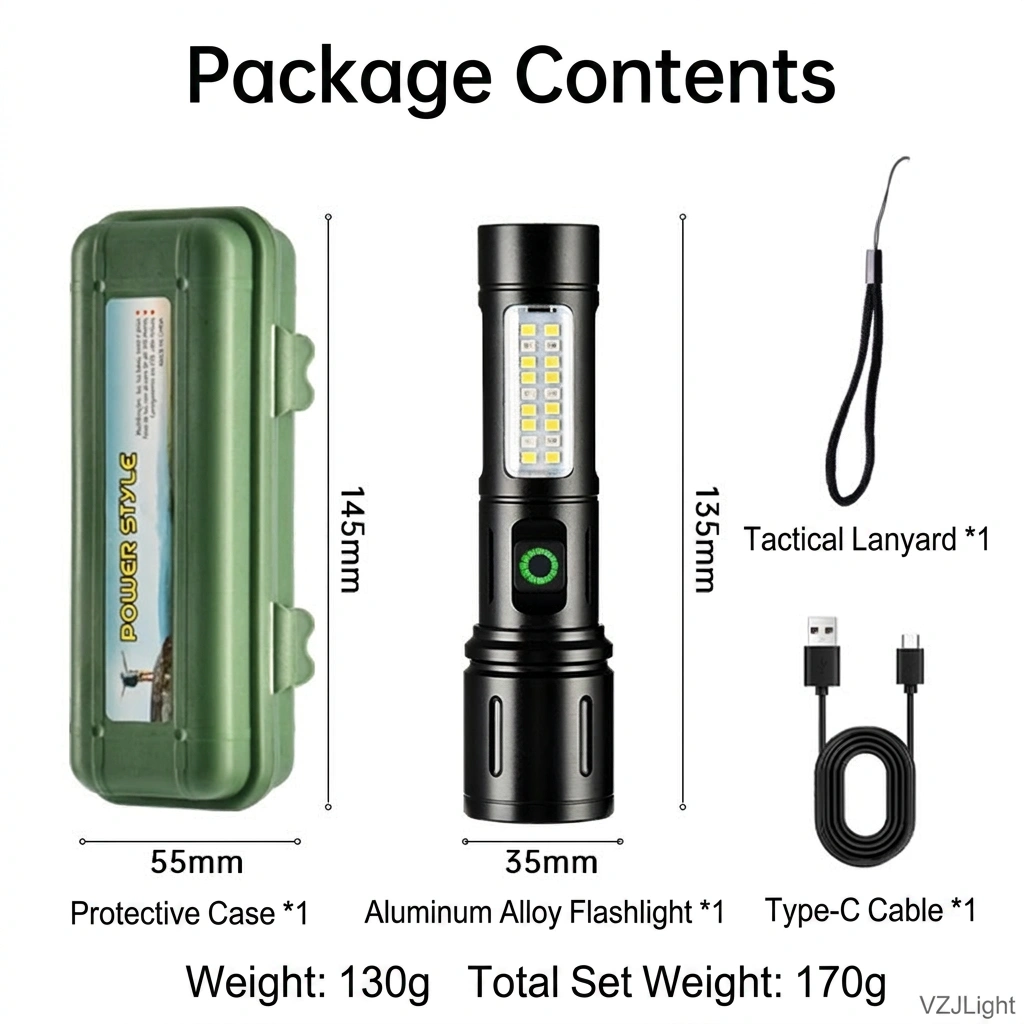
USB-C Rechargeable Flashlight vs Replaceable Battery Flashlight: 2026 Market Trends for Importers
For wholesale buyers comparing USB-C rechargeable and replaceable battery flashlights, 2026 market trends favor charging convenience but user preferences vary by segment. Compare regulatory requirements, end-user expectations, and product lifecycle costs before selecting a power platform.
USB-C Adoption and Regulatory Environment
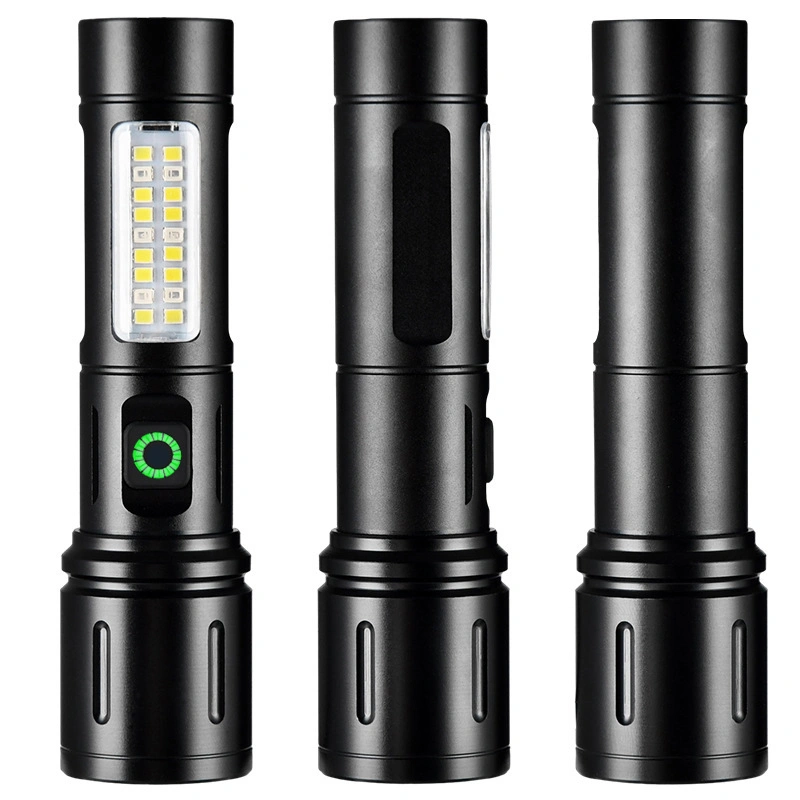
The European Union’s directive requiring USB-C as the common charging standard for small electronic devices has accelerated adoption across consumer electronics. While flashlight-specific mandates vary by jurisdiction, the broader trend toward USB-C standardization affects distributor product planning. Buyers in EU markets increasingly expect USB-C compatibility, and products with proprietary or outdated charging connectors face competitive disadvantages.
However, regulatory compliance is not universal. Distributors should verify whether their target markets have specific charging interface requirements and confirm that products meet applicable standards. The power bank flashlight category illustrates how dual-function USB-C designs can meet both lighting and device-charging needs.
User Experience Comparison
| Factor | USB-C Rechargeable | Replaceable Battery | Distributor Impact |
|---|---|---|---|
| Charging convenience | High — common cable, no battery handling | Moderate — requires spare cells and charger | USB-C appeals to mainstream users |
| Runtime extension | Limited — depends on internal cell capacity | Unlimited — swap cells instantly | Replaceable wins for professional extended use |
| Battery replacement cost | May require factory service | User-replaceable, widely available | Replaceable reduces long-term user cost |
| Product lifespan | Tied to internal cell longevity | Extended — new cells refresh performance | Replaceable supports sustainability claims |
| Water resistance | Charging port is vulnerability | No port needed if non-rechargeable | Sealed designs easier without charging port |
| Shipping restrictions | Built-in cells trigger battery shipping rules | Cells can be shipped separately | Replaceable may simplify logistics |
Market Segment Preferences
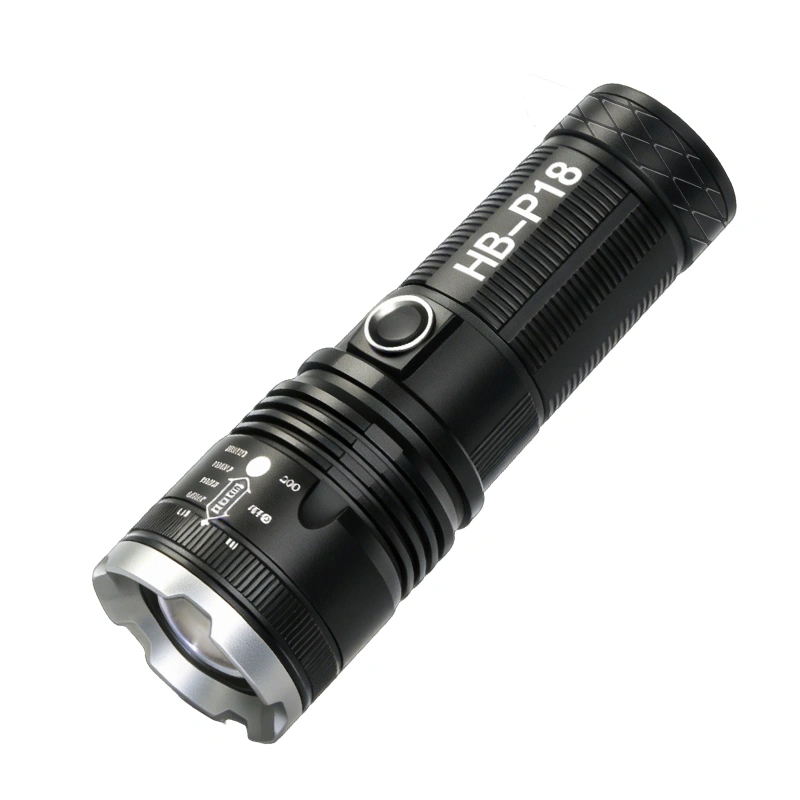
Consumer and EDC markets show strong preference for USB-C rechargeable designs. The convenience of charging from common cables, power banks, or vehicle USB ports aligns with everyday use patterns. The rechargeable tactical flashlight market demonstrates how integrated charging appeals to users who want minimal equipment.
Professional and enthusiast markets are more divided. Some professional users prefer replaceable cells for field reliability and instant runtime extension. Enthusiasts often own multiple cells and chargers and value the flexibility of standardized battery formats like 18650 and 21700.
Product Design Considerations
USB-C rechargeable designs require internal charging circuitry, a charging port, and a sealed or protected battery compartment. This adds complexity and potential failure points. Replaceable battery designs can be simpler mechanically but require user access to the battery tube.
Some manufacturers offer hybrid designs with both USB-C charging and user-replaceable cells. These products attempt to capture both market segments but increase manufacturing cost and complexity. Distributors should evaluate whether the hybrid approach justifies the premium in their target market.
Margin and Pricing Analysis
USB-C rechargeable products typically command higher retail prices due to the added circuitry and convenience factor. However, the internal charging system adds cost and warranty exposure. Replaceable battery products have lower manufacturing complexity but may face price resistance if competitors offer rechargeable models at similar price points.
The net margin depends on your cost structure and the price premium your market will accept for rechargeable convenience. Request cost breakdowns from manufacturers for comparable models in both configurations.
Future-Proofing and Regulatory Risk
USB-C standardization is likely to continue expanding to additional product categories and jurisdictions. Distributors planning long-term product lines should consider whether non-USB-C charging interfaces will become a competitive liability. At the same time, replaceable battery formats benefit from ecosystem lock-in — users who own multiple 18650 devices are more likely to purchase additional compatible products.
Conclusion and Next Steps
USB-C rechargeable designs align with consumer convenience trends and regulatory standardization. Replaceable battery designs offer flexibility, extended lifespan, and appeal to professional and enthusiast users. Many distributors find success with a portfolio that includes both configurations across different product tiers.
Evaluate your target market’s charging infrastructure, battery ownership patterns, and regulatory environment before selecting a power platform. Test both configurations with representative users if you are entering a new segment.
If you are choosing between USB-C rechargeable and replaceable battery flashlight designs for your import strategy, contact VZJlight with your target markets and volume projections.