Understanding ANSI FL1 Standards: How Flashlight Performance Ratings Are Measured in 2026
For wholesale buyers evaluating ANSI FL1 standards, understanding the testing methodology and reporting requirements enables accurate product comparison. Compare standard parameters, testing conditions, and marketing compliance before selecting rated products.
What Is ANSI FL1?
ANSI/NEMA FL1 is a standardized testing protocol for portable lighting products published by the American National Standards Institute and the National Electrical Manufacturers Association. The standard defines consistent methods for measuring and reporting flashlight performance, enabling meaningful comparison between products from different manufacturers.
ANSI FL1 is voluntary, not mandatory. However, compliance has become an expectation in informed markets, and products claiming ANSI FL1 performance should be tested according to the standard’s procedures.
ANSI FL1 Performance Parameters
| Parameter | Definition | Testing Method |
|---|---|---|
| Light output (lumens) | Total luminous flux | Integrating sphere measurement within 30–120 seconds of activation |
| Peak beam intensity (candela) | Maximum luminous intensity | Lux meter at measured distance, converted to candela |
| Beam distance (meters) | Distance to 0.25 lux | Calculated from peak beam intensity |
| Runtime (hours/minutes) | Duration until 10% of initial output | Continuous operation on specified batteries |
| Water resistance | Protection level against water entry | IPX4, IPX7, or IPX8 testing per IEC 60529 |
| Impact resistance (meters) | Drop survival distance | Six drops onto concrete from stated distance |
Testing Conditions and Limitations
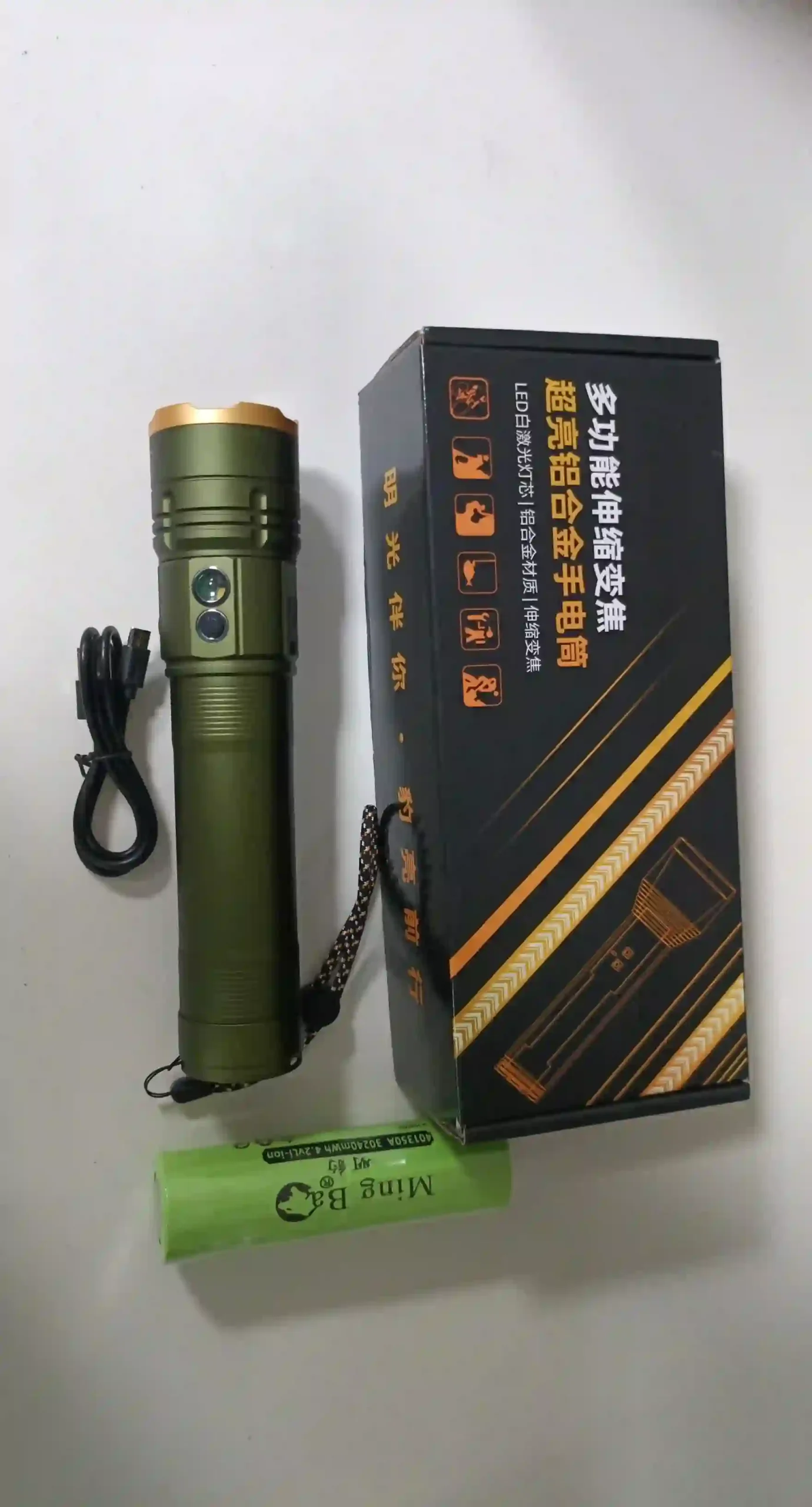
ANSI FL1 specifies standard testing conditions, but distributors should understand limitations:
- Light output is measured within 30–120 seconds of activation, which may not reflect sustained output after thermal throttling
- Runtime is measured to 10% of initial output, which includes significant dimming that users may find unacceptable
- Impact testing is performed on six samples with fresh batteries; real-world durability may vary
- Water resistance testing uses fresh water; salt water and chemicals are not addressed
Verifying ANSI FL1 Claims
Distributors should verify ANSI FL1 compliance rather than accepting manufacturer claims:
- Request test reports from independent laboratories, not internal test data
- Verify that the laboratory is accredited for the relevant test methods
- Confirm that tested samples represent production configuration, not pre-production specials
- Check that battery specifications in testing match the batteries included or recommended with the product
The specifications guide provides additional context on interpreting performance claims.
Marketing ANSI FL1 Compliance
Products tested to ANSI FL1 standards can reference the standard in marketing materials. Best practices include:
- Using the full designation “Tested to ANSI/NEMA FL1 standards”
- Reporting all six standard parameters, not selectively highlighting favorable metrics
- Noting testing conditions and battery specifications
- Avoiding claims that exceed tested performance
Conclusion and Next Steps
ANSI FL1 provides a valuable framework for flashlight performance comparison, but compliance must be verified and claims must be accurate. Distributors who understand the standard’s scope and limitations can make better sourcing decisions and market products responsibly.
If you need guidance on ANSI FL1 compliance for your flashlight product line, contact VZJlight with your testing and certification requirements.