
The “CE Certificate” Scam: How to Spot Fake Flashlight Certifications
Summary: A fake CE certificate for flashlights can cost you your entire shipment. To spot one, verify the testing laboratory’s accreditation, cross-check certificate numbers with the lab directly, confirm the product details match exactly, and request complete test reports—not just summary certificates. This 7-step process takes 30 minutes and can save you from a $50,000 customs disaster.
Introduction
If you’ve ever imported flashlights from China, you’ve seen the CE mark. It’s on every Alibaba listing, every supplier brochure, every product photo. But here’s a truth that will save you thousands: most CE certificates for flashlights are fake or invalid.
In 15 years of manufacturing flashlights, I’ve watched countless buyers learn this lesson the hard way—after their products are seized at customs, after a distributor demands proof of compliance, after a customer gets hurt and lawyers get involved.
This article will show you exactly how to spot fake certifications before they cost you your business.
What Is a CE Certificate (And Why It Matters for Flashlights)
CE marking indicates that a product meets EU safety, health, and environmental protection requirements. For flashlights, this typically involves:
- Low Voltage Directive (LVD) 2014/35/EU — electrical safety
- Electromagnetic Compatibility (EMC) 2014/30/EU — interference control
- RoHS 2011/65/EU — hazardous substance restrictions
- REACH — chemical substance registration
Without valid CE certification, your flashlights cannot be legally sold in the European Economic Area. More importantly, you—as the importer—are legally responsible for compliance, not your Chinese supplier.
The 6 Types of Fake Flashlight CE Certificates You’ll Encounter
1. The “Self-Declared” Certificate
Some suppliers simply create a document in Microsoft Word, add a CE logo, and sign it themselves. This is not valid CE certification.
Red flag: No accredited testing laboratory name. No test report numbers. Just a generic “Certificate of Conformity” with the supplier’s own signature.
Reality: CE marking requires either self-certification with technical documentation (for low-risk products) or third-party testing by a Notified Body (for high-risk products). Flashlights typically fall into the self-certification category—but that still requires proper testing and documentation, not a homemade Word document.
2. The Wrong Standard Certificate
A supplier shows you a CE certificate that references standards completely unrelated to flashlights.
Red flag: The certificate references toy safety standards (EN 71), furniture standards, or textile standards instead of the actual applicable standards for flashlights (EN 60598, EN 62471, etc.).
Real example: A supplier once showed me a CE certificate for “LED flashlights” that cited EN 71-1 (toy safety mechanical properties). They literally used their toy factory’s certificate and changed the product name.
3. The Expired Certificate
CE certificates expire when standards are updated or when the test report validity period ends.
Red flag: Certificate dated 2018 or earlier without updated test reports. The LVD directive was updated in 2014/35/EU (replacing 2006/95/EC). If a certificate still references the old directive, it’s outdated.
What to check: Ask for the original test report from the testing laboratory, not just the certificate. Test reports typically have a validity of 3-5 years depending on the standard.
4. The “Borrowed” Certificate
The supplier shows you a legitimate CE certificate—but it’s for a completely different product from a different factory.
Red flag: The certificate lists a different manufacturer name, different product model, or different factory address than your supplier.
How they do it: Suppliers download certificates from Google Images or take them from competitors. Sometimes they Photoshop their company name onto someone else’s certificate.
Verification step: Cross-reference the certificate number on the testing laboratory’s official website. Every major lab (SGS, TÜV, Intertek, BV) has a certificate verification system.
5. The Non-Accredited Laboratory Certificate
The certificate comes from a testing lab that sounds official but isn’t actually accredited to test for CE marking.
Red flag: Laboratory name you’ve never heard of. No accreditation body logo (UKAS, DAkkS, CNAS, etc.). Laboratory located in a city known for document forgery.
How to verify: Check the laboratory’s accreditation on the official accreditation body website. For example:
- UKAS: www.ukas.com
- DAkkS: www.dakks.de
- CNAS: www.cnas.org.cn
A legitimate testing laboratory will have accreditation for the specific standards listed on your certificate.
6. The Incomplete Certificate
The certificate only covers one directive but not the others required for flashlights.
Red flag: Certificate only mentions EMC but not LVD. Or only covers RoHS but not safety testing.
What flashlights need: Depending on the specific product, flashlights typically need:
- LVD compliance (safety)
- EMC compliance (if electronic switching)
- RoHS compliance (materials)
- REACH compliance (chemicals)
- Photobiological safety (EN 62471 for LED products)
A certificate covering only one or two of these is incomplete and non-compliant.
7 Steps to Verify Any Flashlight CE Certificate
Follow this checklist before you accept any certification document:
Step 1: Check the Laboratory
- Is it a known, accredited testing laboratory?
- Does it have accreditation for the specific standards listed?
- Can you verify its accreditation on the official accreditation body website?
Step 2: Verify the Certificate Number
- Every legitimate certificate has a unique number.
- Contact the laboratory directly (using contact info from their official website, not from the certificate) and ask them to verify the certificate.
- Most major labs have online verification portals.
Step 3: Match Product Details
- Does the product name on the certificate exactly match your flashlight?
- Does the model number match?
- Does the manufacturer name and address match your supplier?
Step 4: Check Standard References
- Are the listed standards relevant to flashlights?
- Common standards for flashlights include:
- EN 60598 (luminaires)
- EN 62471 (photobiological safety)
- EN 55015 (EMC for lighting)
- EN 61547 (EMC immunity)
Step 5: Check Directive References
- Does the certificate reference the current directives?
- LVD: 2014/35/EU
- EMC: 2014/30/EU
- RoHS: 2011/65/EU (as amended)
Step 6: Request the Full Test Report
- A certificate is just a summary.
- Ask for the complete test report with:
- Test photos
- Test methodology
- Pass/fail results for each test
- Laboratory engineer signatures
Step 7: Cross-Check with the EU NANDO Database
- If the certificate mentions a Notified Body (required for some products), verify it in the EU NANDO database: ec.europa.eu/growth/tools-databases/nando/
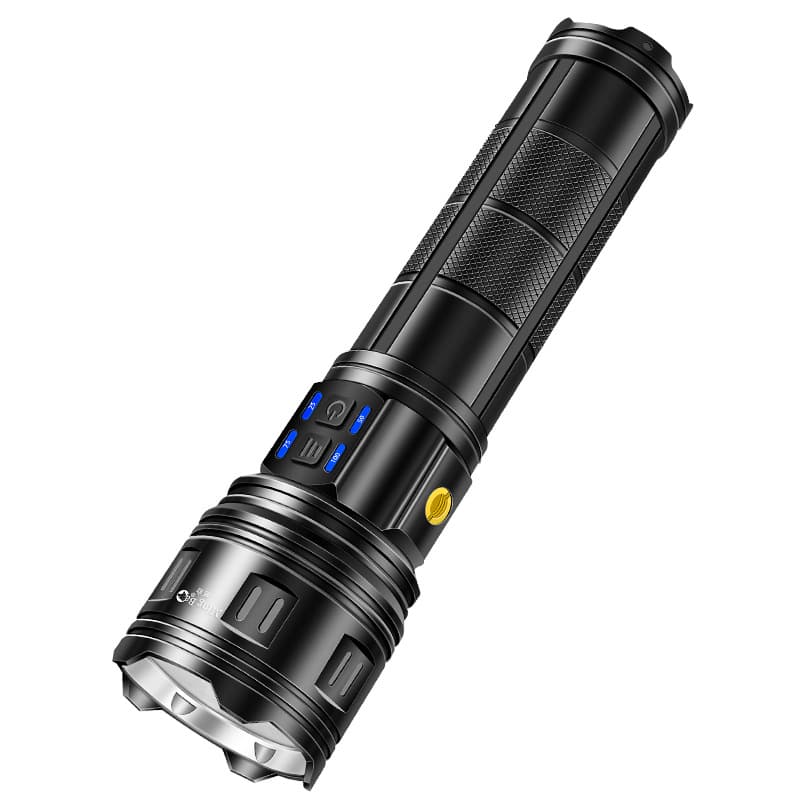
What Valid CE Documentation Should Look Like
When you work with a legitimate flashlight manufacturer, you should receive a complete compliance package:
- Technical File including:
- Product description and specifications
- Design drawings and circuit diagrams
- Risk assessment report
- Test reports from accredited laboratory
- Declaration of Conformity (DoC)
- Test Reports for each applicable standard
- Declaration of Conformity signed by the manufacturer
- Instructions for Use in the language of the destination market
- CE Label Design showing proper mark placement
If a supplier can’t provide these documents, they haven’t done the work.
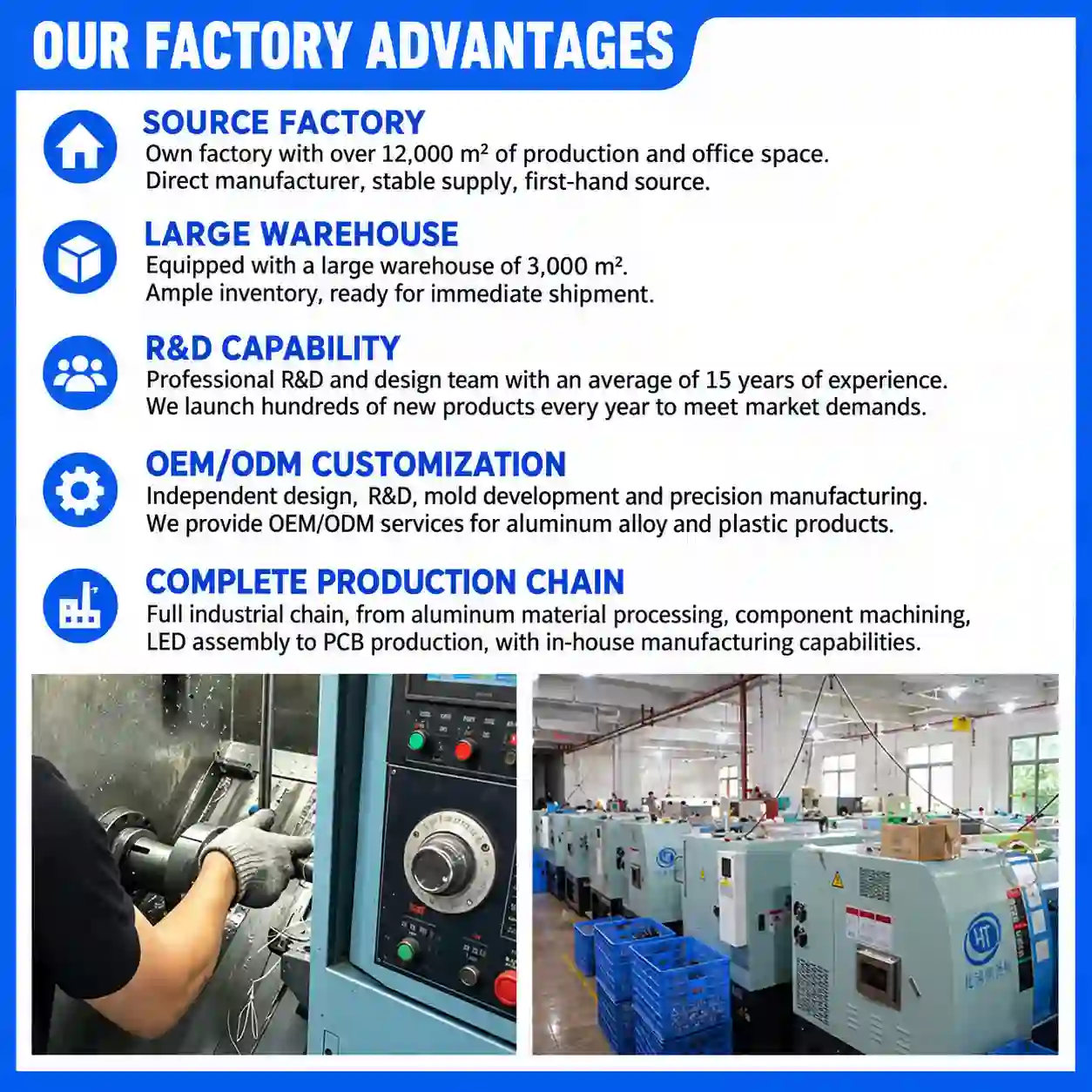
What to Do If You Discover a Fake Certificate
Don’t confront aggressively. In Chinese business culture, direct accusations destroy relationships.
Instead, say something like: “Our European distributor needs the complete technical file for their compliance review. Can you provide the full test reports from [specific lab name]?”
This gives the supplier a way to save face while requiring them to produce real documentation.
If they can’t provide it, you have three options:
- Walk away — Find a supplier who takes compliance seriously. Look for our factory audit checklist to evaluate new partners properly.
- Require retesting — Make the contract contingent on testing by a lab you specify (SGS, TÜV, Intertek). Factor the $2,000–$5,000 testing cost into your pricing.
- Accept the risk — Some buyers knowingly import non-compliant products. Just understand that customs seizures, liability lawsuits, and distributor rejection are real possibilities.
The Real Cost of Fake Certificates
| Scenario | Cost Impact |
|---|---|
| Customs seizure in EU | Total loss of shipment + disposal fees |
| Distributor demands proof | Lost wholesale account |
| Product liability claim | Legal fees + damages + reputation loss |
| Marketplace (Amazon) removal | Account suspension + inventory stuck |
| Forced recall | Total inventory write-off + brand damage |
I’ve seen a $50,000 shipment destroyed at Rotterdam port because the CE certificate was fake. The buyer had no recourse—the supplier had disappeared. This is why pre-shipment inspection is non-negotiable for high-value orders.
Common Supplier Red Flags to Watch For
Beyond fake certificates, be alert for these supplier red flags during your sourcing process:
- Refusing to provide the original test report (only showing a certificate summary)
- Changing the subject when you ask about certification details
- Claiming “all our products are CE certified” without model-specific documentation
- Offering to “get CE certification after you place the order”
- Sending certificates with blurry logos or pixelated laboratory names
These behaviors are almost always indicators of deeper compliance problems. A legitimate manufacturer maintains detailed product specifications and documentation for every model they produce.
Our Approach to Certification at VZJlight
We don’t play games with compliance:
- Every flashlight model has complete test reports from accredited laboratories
- Technical files are available for every product we manufacture
- Certificates are verifiable — you can contact SGS, TÜV, or Intertek directly to confirm
- We update testing when standards change — our certificates reference current directives
If you need documentation for a specific market (CE for EU, FCC for US, PSE for Japan, RCM for Australia), we provide it without excuses.
Conclusion
Fake CE certificates are everywhere in the flashlight industry because most buyers never verify them. Suppliers know this, and many take advantage of it.
The 7-step verification process in this article takes 30 minutes. That’s 30 minutes that could save you from a $50,000 customs disaster.
Remember: You—not your supplier—are legally responsible for product compliance in your market. Verify before you buy.
Want to see what real certification documentation looks like? Contact us and we’ll show you a complete technical file for any of our flashlight models—no purchase required. We believe transparency starts with the paperwork.
Have you encountered fake certificates in your sourcing? Share your experience in the comments or contact us directly—we’ve helped hundreds of buyers navigate compliance verification.