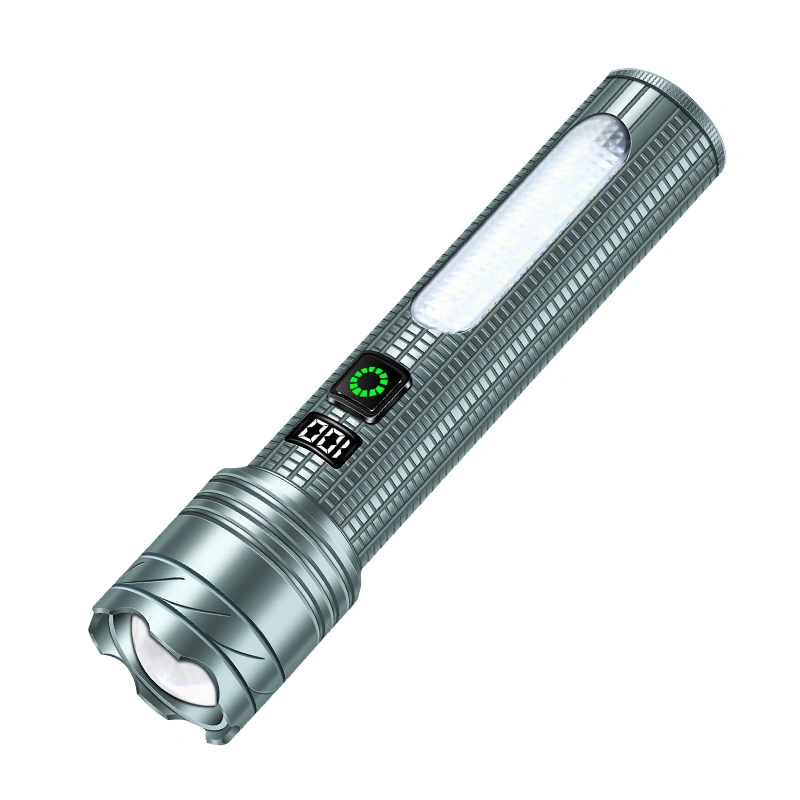
Tactical Flashlight vs EDC Flashlight: Understanding Market Segments for Better Inventory Planning in 2026
For wholesale buyers comparing tactical and EDC flashlight segments, inventory planning depends on understanding feature requirements, price sensitivity, and end-user profiles. Compare durability standards, size preferences, output modes, and distribution channels before building your product mix.
Defining Tactical and EDC Flashlight Categories
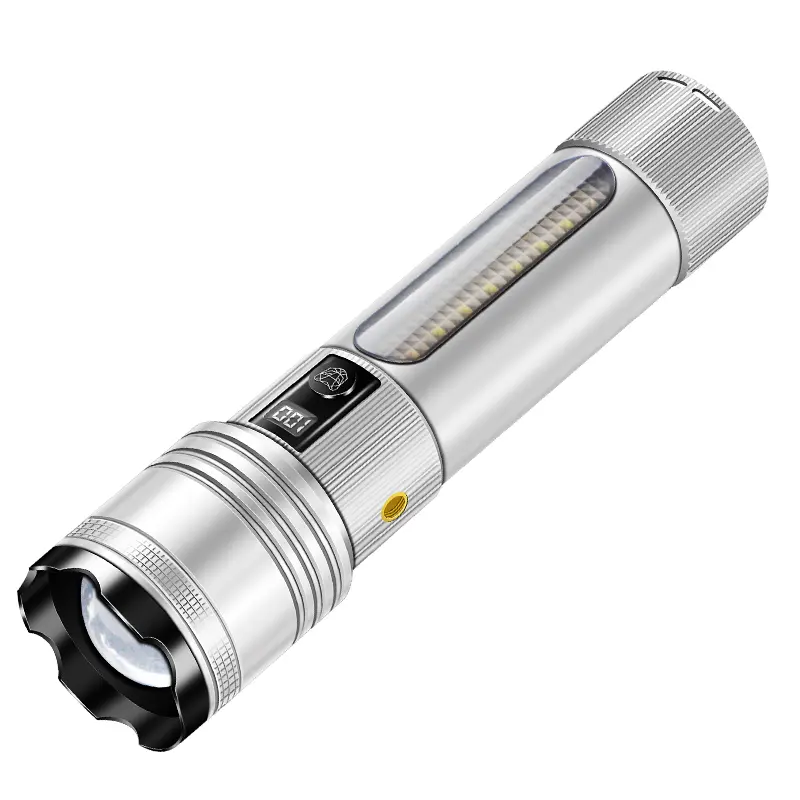
Tactical flashlights are designed for law enforcement, military, security, and emergency response applications. They prioritize reliability under extreme conditions, single-hand operation, and compatibility with weapon mounting systems. EDC (everyday carry) flashlights target civilian users who want a compact, convenient light source for routine tasks.
The distinction matters for distributors because the two segments have different purchase behaviors, price expectations, and feature requirements. A product positioned incorrectly can fail in both markets. Understanding the boundaries and overlaps helps distributors curate SKUs that serve distinct customer bases without cannibalizing sales.
Feature Comparison for Distributors
| Feature | Tactical Priority | EDC Priority | Distributor Impact |
|---|---|---|---|
| Output modes | Strobe, momentary-on, turbo | Multiple brightness levels | Tactical requires specific mode sequencing; EDC favors simplicity |
| Switch design | Tail switch for gloved operation | Side switch or twist head | Tactical switches cost more; verify supplier capability |
| Body material | Aerospace aluminum, hard anodized | Aluminum or quality polymer | Both segments accept aluminum; polymer reduces cost for EDC |
| Impact resistance | High (drop test rated) | Moderate | Tactical requires documented test data |
| Water resistance | IPX8 preferred | IPX4 sufficient for most users | Higher IP rating increases cost; match to use case |
| Size and weight | Full-size for grip and battery | Compact for pocket carry | EDC size constraints limit battery capacity |
| Clip and carry | Pocket clip or ring mount | Deep-carry pocket clip | EDC users prioritize clip quality and orientation |
Market Segmentation and Pricing Tiers
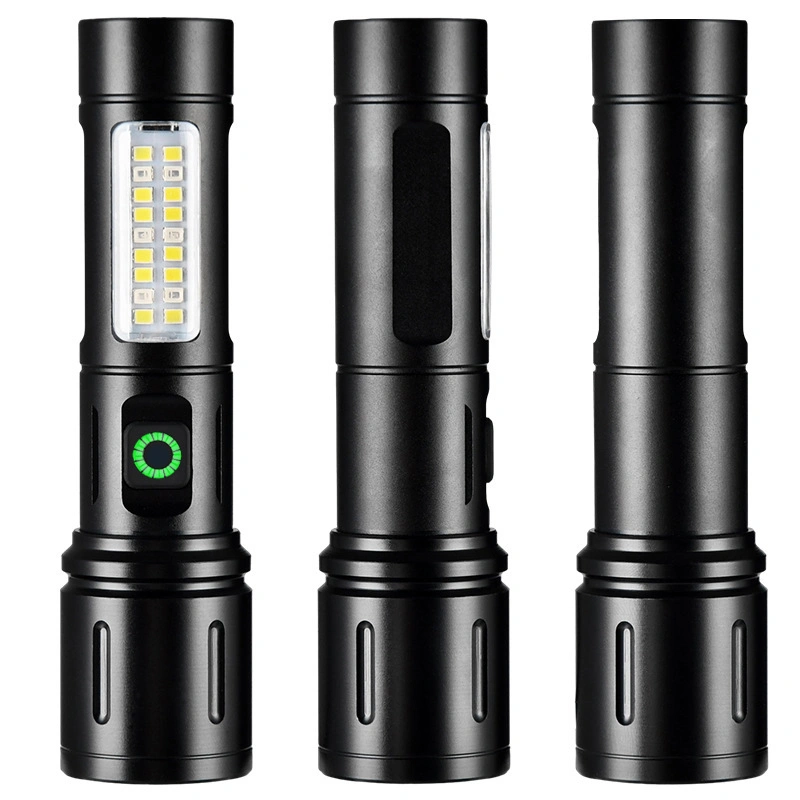
Tactical flashlights command higher prices due to specialized features, durability requirements, and the professional nature of the user base. Buyers in this segment often purchase through institutional channels with larger order quantities and longer decision cycles. EDC flashlights compete in a more price-sensitive consumer market with faster purchase decisions and higher return rates.
The wholesale tactical flashlight market illustrates how professional positioning affects pricing power. Distributors should analyze whether their sales channels can support the longer sales cycle and technical support requirements of tactical products.
End-User Profiles and Purchase Drivers
Tactical buyers prioritize reliability and feature specificity over price. They need products that perform under stress and integrate with existing equipment. Warranty terms, spare parts availability, and manufacturer reputation carry significant weight in purchase decisions.
EDC buyers balance performance, size, and price. Aesthetics and brand perception often influence decisions more than in the tactical segment. The bulk buy EDC flashlights category demonstrates how volume-oriented distributors can capture this price-sensitive market.
Inventory Planning Considerations
Distributors should structure inventory around three principles:
- Core SKUs: Reliable sellers in each segment that generate consistent turnover
- Seasonal SKUs: Products tied to hunting season, emergency preparedness cycles, or outdoor recreation periods
- Test SKUs: New models introduced in small quantities to gauge demand before committing to bulk orders
Tactical products typically have slower inventory turnover but higher per-unit margins. EDC products turn faster but with lower margins. The optimal mix depends on your capital availability, warehouse capacity, and sales channel capabilities.
Distribution Channel Alignment
Tactical flashlights sell effectively through law enforcement supply catalogs, security equipment distributors, and specialized outdoor retailers. These channels expect product datasheets, warranty documentation, and volume pricing tiers. EDC flashlights perform better in e-commerce, general outdoor retail, and gift markets where visual presentation and packaging matter more.
The market prices analysis provides additional context on channel-specific pricing strategies.
Product Overlap and Cross-Selling
Some products bridge both segments. Compact tactical flashlights appeal to EDC users who want professional-grade durability. High-output EDC lights attract tactical users who need a secondary backup. Distributors can use this overlap for cross-selling, but should clearly position each SKU to avoid confusing the primary target market.
Quality Standards and Certification
Tactical buyers often require ANSI FL1 compliance, RoHS certification, and specific military or law enforcement testing standards. Verify which standards your target customers actually require rather than assuming universal applicability. EDC buyers are generally less concerned with formal certifications but appreciate clear performance specifications and honest marketing.
Conclusion and Next Steps
The tactical versus EDC decision is fundamentally a market positioning question. Tactical products offer higher margins and institutional volume but require technical support and longer sales cycles. EDC products offer faster turnover and broader appeal but face more price competition.
Evaluate your existing customer base, sales channels, and support capacity before deciding which segment to prioritize. Many successful distributors serve both segments with clearly differentiated product lines rather than trying to create one product that satisfies both markets.
If you are planning your flashlight inventory mix and need guidance on tactical versus EDC product selection, contact VZJlight with your target channels and volume projections.