
What a Real Flashlight Factory Floor Looks Like (No Filters)
Summary: A real flashlight factory floor is loud, dusty, and organized chaos. Unlike the polished photos on Alibaba, actual production involves CNC machines spraying coolant, workers assembling drivers by hand, and QC stations catching defects before they ship. Understanding what a real factory looks like helps buyers evaluate suppliers honestly.
Introduction
When you search for flashlight factories on Alibaba, you see pristine white floors, workers in spotless uniforms, and rows of perfect products. These photos are either staged in a showroom or taken from a different company entirely. They are not what a real flashlight factory floor looks like.
In 15 years of running a flashlight manufacturing facility, I have never seen a production floor that clean during actual working hours. Real manufacturing is messy, loud, and hot—but it is also where quality is made or broken. This article shows you what our factory floor actually looks like and why that matters for your order.
The Entry: What You See When You Walk In
The first thing that hits you is the noise. CNC machines cutting aluminum flashlight bodies produce a high-pitched whine that requires ear protection. The air smells of cutting fluid and hot metal. The floor is concrete, not the gleaming white tile from the brochure photos.
What you also notice is organization. Every station has a purpose. Raw aluminum bars enter at one end, and finished flashlight bodies exit at the other. The chaos is structured, but it is still chaos. This is what a real factory floor looks like when work is happening.
Station 1: CNC Machining
Rows of CNC lathes and mills cut raw aluminum into flashlight bodies. Coolant sprays continuously to prevent overheating. Chips of aluminum accumulate in bins that are emptied every few hours. The floor around each machine is wet with coolant and covered in metal shavings.
A clean CNC area means the machines are not running. If a supplier shows you photos of pristine CNC machines, ask when the photo was taken. If it was during working hours, something is wrong.
Station 2: Surface Treatment
After machining, flashlight bodies go through surface treatment. This includes degreasing, anodizing, and sometimes sandblasting. The anodizing tanks contain sulfuric acid, and the area has a distinct chemical smell. Workers wear gloves and protective gear.
The anodizing line runs 24 hours a day during peak season. Batches of flashlight bodies move through tanks on automated rails. Color consistency depends on tank chemistry, temperature, and timing—all variables that require constant monitoring.
Station 3: Assembly
This is where the factory floor gets really busy. Workers sit at benches assembling drivers, LEDs, switches, and batteries into finished flashlights. Each worker specializes in one step: one installs the driver, the next solders the LED, another attaches the tail cap.
The assembly area is well-lit and climate-controlled because temperature affects soldering quality. But it is still noisy from ultrasonic welding machines and air compressors. Components arrive in bins labeled by batch number for traceability.
Station 4: Quality Control
The QC station is where reality meets specification. Every flashlight is tested for function, beam pattern, and waterproofing. Failed units go to a red-labeled bin for rework or scrap. The QC area has the highest concentration of calibrated equipment in the factory.
A real QC station has stacks of test records, a shelf of reference samples, and a whiteboard showing today’s pass rate. If a factory does not let you photograph the QC area, ask why. Transparency at this station is a strong indicator of overall quality commitment.
What the Photos Do Not Show
| Brochure Photo | Reality |
|---|---|
| White tile floor | Concrete with oil stains and metal chips |
| Workers in lab coats | Workers in company polo shirts with safety glasses |
| Perfect rows of finished products | Boxes of WIP (work in progress) everywhere |
| Empty aisles | Forklifts moving materials between stations |
| Everything spotless | Coolant mist on machines, dust on overhead pipes |
Why a Messy Factory Floor Is Actually Good
A factory that is too clean during production hours is suspicious. Either they are not actually running production, or they are hiding something. Real manufacturing creates waste, noise, and motion. The question is whether that waste is managed and whether the motion is purposeful.
When you visit a flashlight factory, look for:
- Active machines with material flowing through them
- Workers who can explain their station’s quality checks
- QC records that match what you see on the line
- Organized storage with batch numbers visible
- Safety equipment being used, not just hanging on hooks
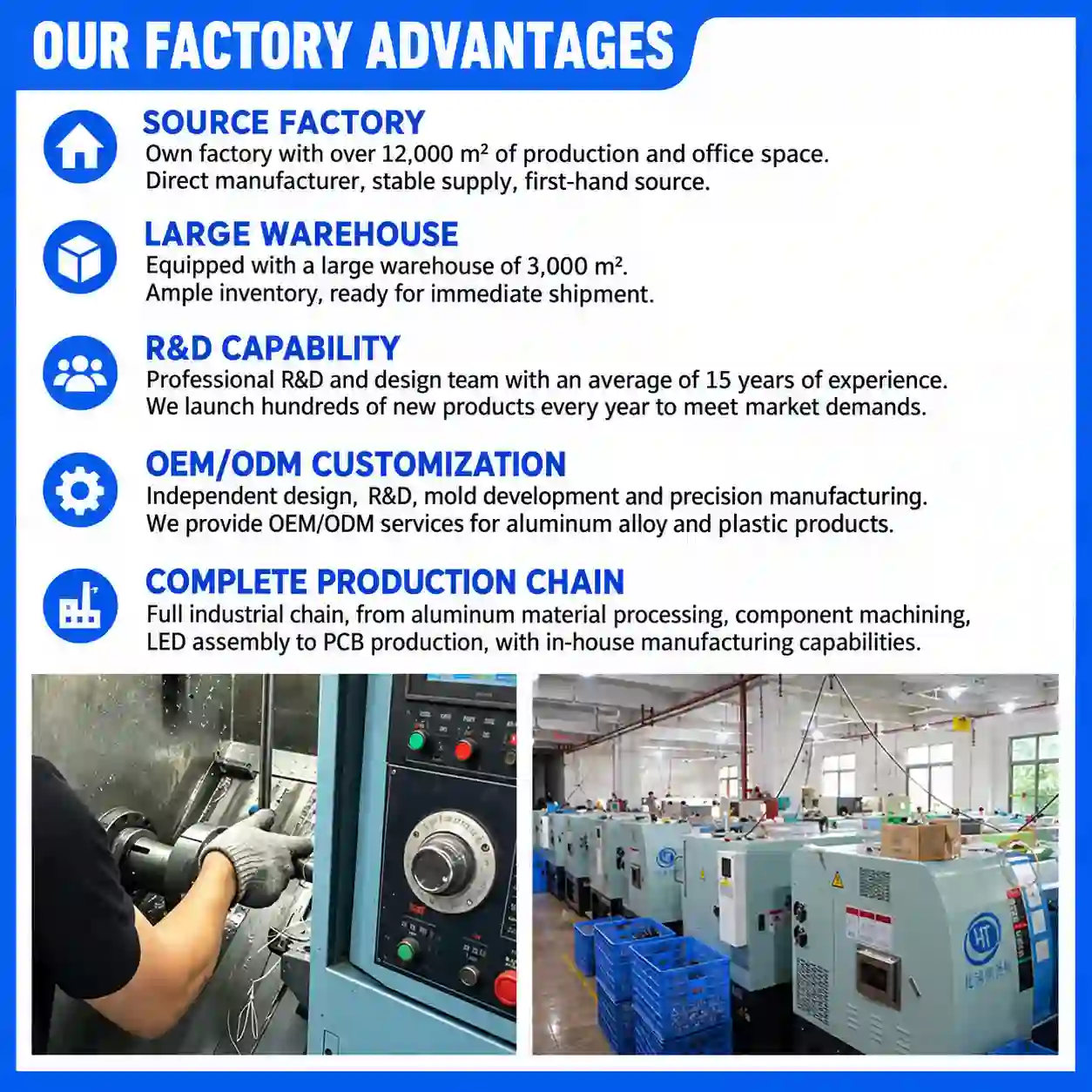
Red Flags on a Factory Floor Visit
- Most machines are idle during “production hours”
- Workers cannot explain what they are doing or why
- No visible QC station or test equipment
- Components stored in unlabeled boxes
- Management refuses to let you photograph specific areas
Our Factory Floor Policy
We welcome unannounced factory visits and encourage buyers to photograph anything they want. Our factory floor is not perfectly clean because we are busy making flashlights. But it is organized, safe, and transparent.
If you want to see what real flashlight manufacturing looks like, contact us to schedule a visit. No appointment required for virtual tours, and we will show you every station including the ones most factories hide.
Conclusion
The gap between factory brochure photos and reality is massive. A real flashlight factory floor is loud, busy, and slightly messy—but that is where quality products are made. Learning to read what you see during a factory visit is one of the most valuable skills a buyer can develop.
Want to see our factory floor for yourself? We offer live video tours and welcome in-person visits. Contact us to schedule.