
Why We Reject 12% of Every Production Batch
Summary: A 0% rejection rate is not a sign of quality manufacturing. It is a sign of poor inspection. Rejecting 12% of production means our QC is working properly, catching defects before they reach customers, and driving continuous improvement in our process.
Introduction
Many suppliers boast about their “99.9% pass rate” or “zero defects.” These claims sound impressive but are actually red flags. A factory with zero rejects is either not inspecting properly or is shipping defective units to customers.
At our facility, we reject approximately 12% of every production batch. This article explains why that number is a good thing and what happens to the rejected units.
Why Zero Rejection Is Suspicious
Mass manufacturing produces defects. Always. Machines wear, materials vary, and humans make mistakes. A factory claiming zero rejects is doing one of the following:
- Not inspecting thoroughly
- Redefining “pass” to include marginal units
- Shipping defects and letting customers discover them
- Simply making up the number
What Our 12% Rejection Rate Means
A 12% rejection rate tells you several positive things about our operation:
- We inspect thoroughly: Every unit is tested, not just sampled
- Our standards are strict: We catch defects that other factories miss
- We are honest: We report real numbers, not marketing fiction
- We improve continuously: Rejection data drives process improvements
Breakdown of Our Rejection Categories
| Category | % of Rejects | Typical Cause |
|---|---|---|
| Cosmetic defects | 5% | Anodizing scratches, color variation |
| Functional defects | 4% | Mode switching, brightness out of spec |
| Mechanical defects | 2% | Thread issues, switch problems |
| Safety defects | 1% | Battery contact, insulation issues |
How Rejection Data Drives Improvement
Every rejected unit is analyzed to determine root cause. Trends trigger corrective actions:
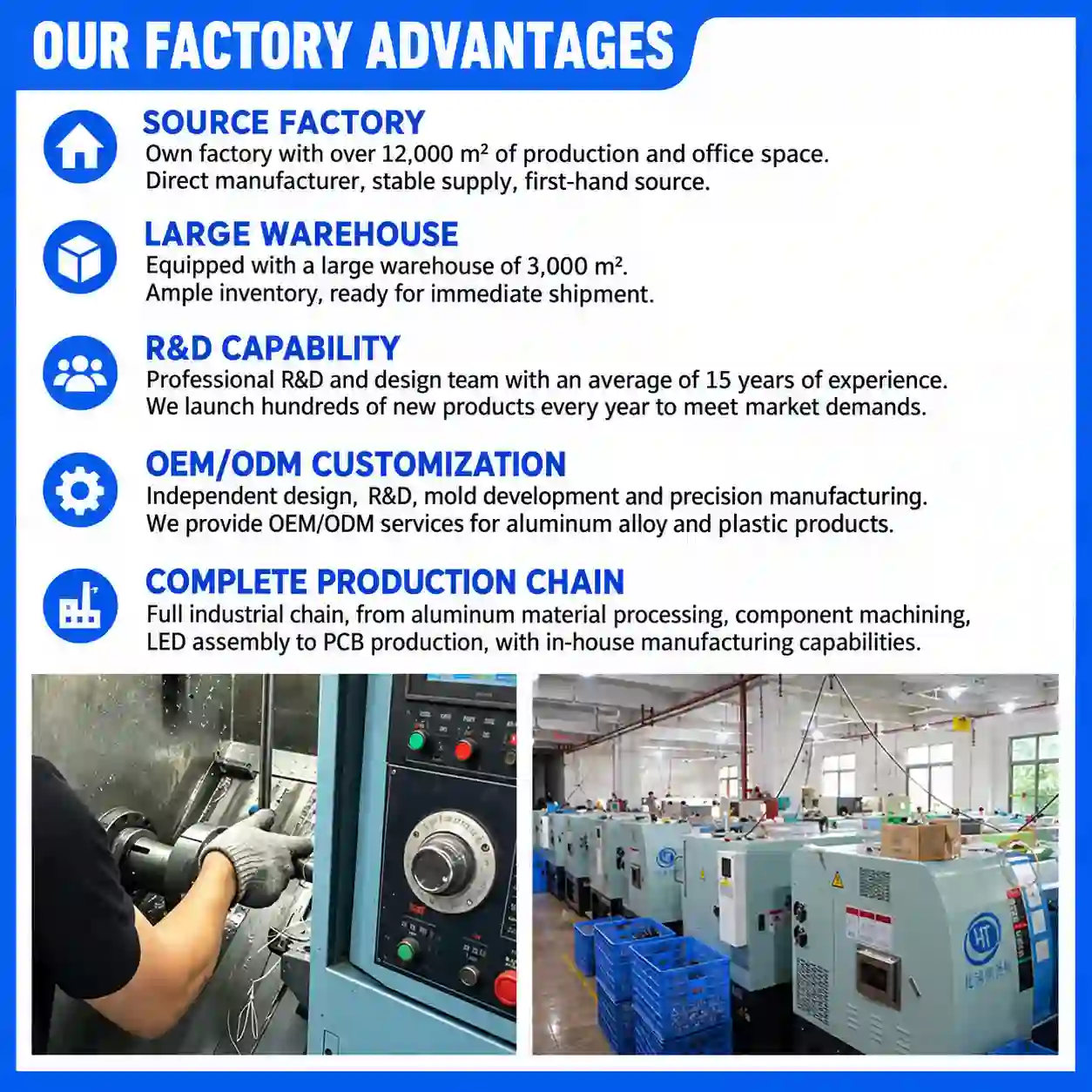
- Increasing cosmetic rejects → Anodizing process review
- Increasing functional rejects → Driver supplier audit
- Increasing mechanical rejects → CNC tooling replacement
This continuous improvement cycle reduces rejection rate over time while maintaining strict standards.
What Happens to Rejected Units
Rejected units are never sold as “B grade” or mixed with good product. Cosmetic rejects are repaired if possible. Functional and safety rejects are scrapped and recycled. This policy costs us money but protects our reputation and our customers.
Conclusion
A healthy rejection rate is a sign of honest, thorough quality control. When evaluating suppliers, be suspicious of perfection. Ask about their real rejection rate, what categories they track, and how they use the data to improve.
Want to see our QC process and rejection data? Contact us for a factory tour or video walkthrough.