

Flashlight Market Size 2026: Regional Breakdown for US, Europe, and Asia-Pacific Distributors
For wholesale buyers analyzing flashlight market size in 2026, regional demand patterns vary by regulation, end-user preferences, and distribution infrastructure. Compare regional growth indicators, import requirements, and competitive landscapes before selecting target markets.
Understanding Regional Demand Drivers

Flashlight demand is driven by different factors in each major region. The United States market is shaped by outdoor recreation culture, emergency preparedness awareness, and law enforcement procurement cycles. European demand is influenced by regulatory requirements, environmental directives, and professional safety standards. Asia-Pacific growth is fueled by expanding outdoor retail, infrastructure development, and increasing consumer purchasing power.
Distributors should not assume that a product successful in one region will automatically perform in another. Regulatory compliance, certification requirements, and user preferences differ significantly. The global flashlight industry analysis provides additional context on market structure and competitive dynamics.
United States Market Characteristics
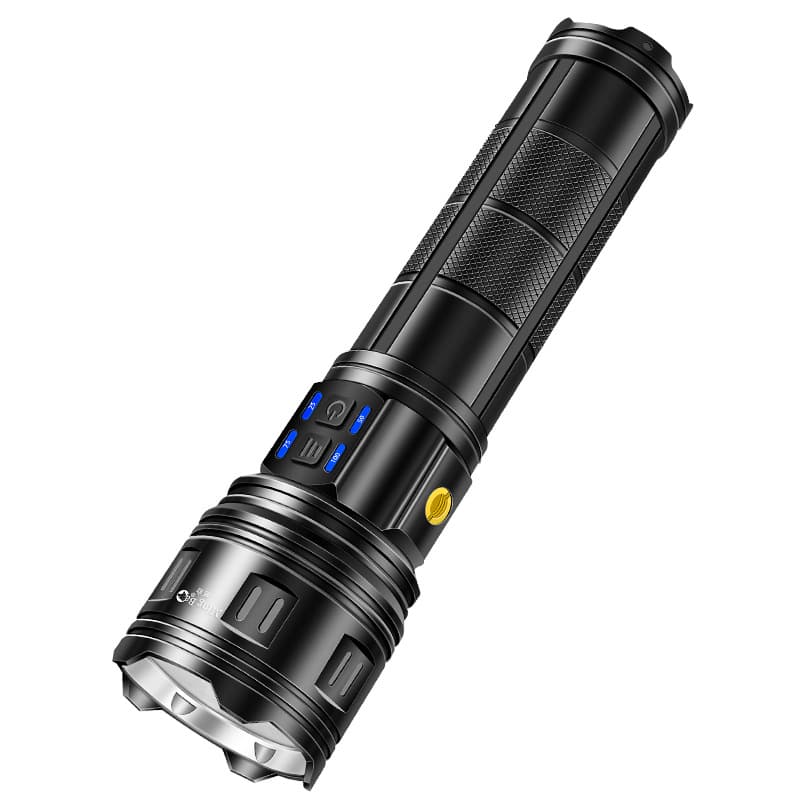
The US flashlight market is mature and highly competitive. Major retail channels include outdoor specialty stores, home improvement centers, e-commerce platforms, and law enforcement supply catalogs. Consumer preferences favor high-lumen output, rugged construction, and brand recognition.
Key considerations for US distributors:
- FCC compliance: Electronic flashlights with radio-frequency components require FCC certification
- ANSI FL1 standards: While voluntary, ANSI FL1 compliance is expected by informed buyers
- Product liability: The US legal environment requires careful attention to safety warnings and instructions
- Seasonal patterns: Hurricane season, hunting season, and holiday gift periods drive demand spikes
European Market Characteristics
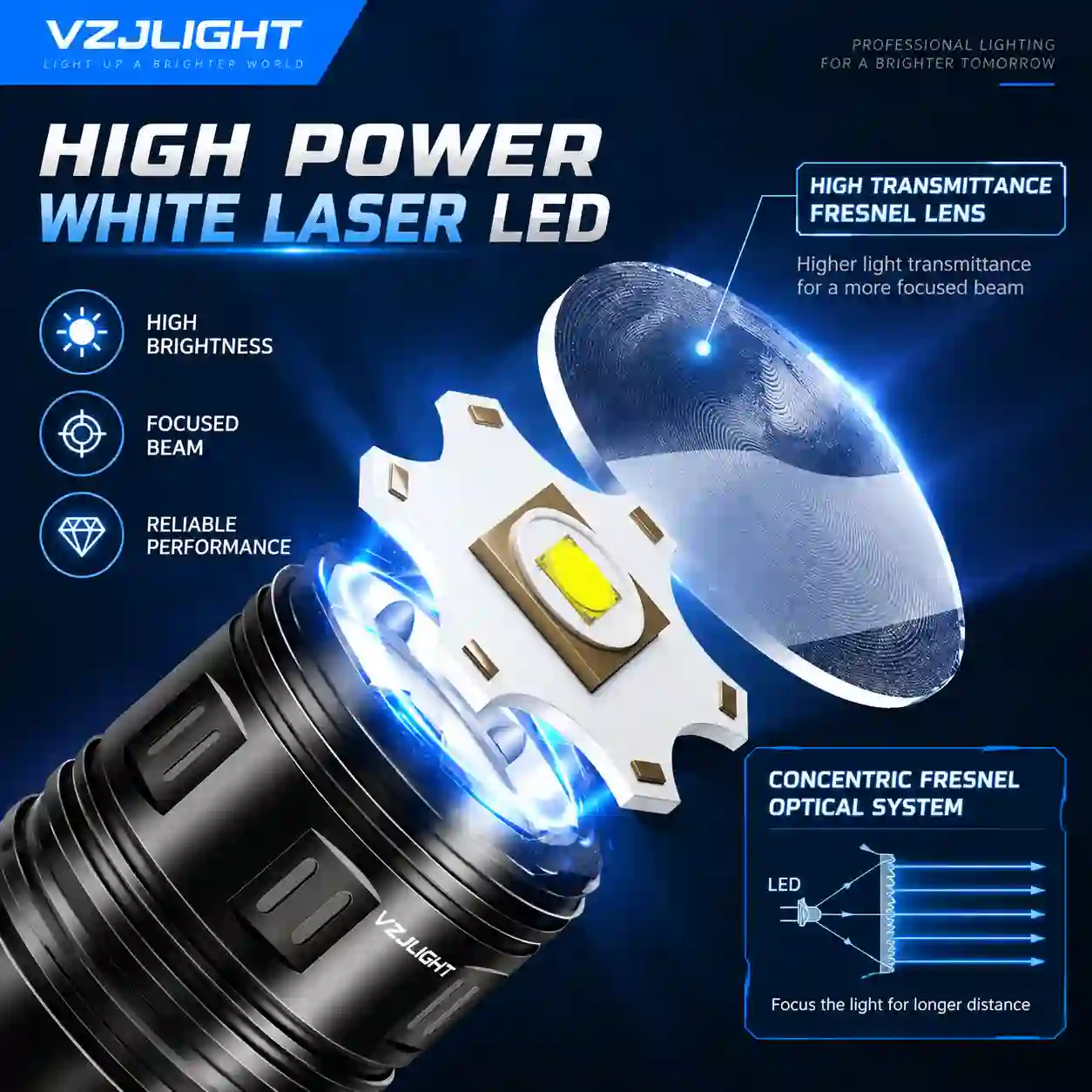
European markets place greater emphasis on regulatory compliance, environmental standards, and energy efficiency. The CE marking is mandatory, and RoHS compliance restricts hazardous substances in electronic products. The USB-C charging mandate affects flashlight design requirements for EU-bound products.
Key considerations for European distributors:
- CE marking and documentation: Required for market access; verify manufacturer can provide compliant technical files
- RoHS and REACH: Chemical content restrictions affect materials and component selection
- WEEE and EPR: Extended producer responsibility requirements may affect distributor obligations
- Language requirements: Multi-language instructions are often required or expected
- GS mark: While not mandatory, the GS safety mark enhances market acceptance in Germany
Asia-Pacific Market Characteristics
Asia-Pacific represents the most diverse regional market, encompassing developed economies like Japan and Australia alongside rapidly growing markets in Southeast Asia and India. Demand patterns vary from premium professional products in developed markets to value-oriented consumer products in emerging economies.
Key considerations for Asia-Pacific distributors:
- Import regulations: Vary significantly by country; some require local certification (e.g., PSE in Japan, RCM in Australia)
- Price sensitivity: Higher in emerging markets; premium features may not justify price premiums
- Distribution infrastructure: E-commerce growth is rapid, but logistics reliability varies
- Local competition: Domestic manufacturers compete aggressively on price in many markets
Regional Comparison Table
| Factor | United States | Europe | Asia-Pacific |
|---|---|---|---|
| Regulatory complexity | Moderate (FCC, product liability) | High (CE, RoHS, WEEE) | Variable by country |
| Price sensitivity | Moderate | Moderate to high | High in emerging markets |
| Premium segment size | Large | Large | Growing in developed markets |
| E-commerce penetration | Very high | High | Rapidly growing |
| Seasonal demand peaks | Hurricane, hunting, holidays | Winter, outdoor season | Monsoon, outdoor festivals |
| Certification requirements | FCC for RF, voluntary ANSI | CE mandatory, GS preferred | Country-specific (PSE, RCM, etc.) |
Market Entry Strategy Recommendations
Distributors entering new regional markets should prioritize:
- Regulatory compliance verification: Confirm all required certifications before shipment
- Local competitive analysis: Understand incumbent brands, pricing, and distribution channels
- Channel partner identification: Establish relationships with distributors, retailers, or e-commerce platforms
- Product localization: Adapt packaging, instructions, and features to regional preferences
- Warranty and service infrastructure: Plan for regional warranty fulfillment and spare parts availability
Conclusion and Next Steps
Regional flashlight markets differ in regulatory requirements, user preferences, price sensitivity, and competitive intensity. Success requires matching product selection and positioning to each region’s specific characteristics rather than applying a uniform global strategy.
Before expanding into new regions, conduct thorough market research, verify regulatory requirements, and test product acceptance with pilot shipments. Build regional expertise before committing to large inventory investments.
If you are analyzing regional flashlight markets and need product recommendations for specific countries, contact VZJlight with your target regions and distribution plans.