

How Tariffs and Trade Policies Are Affecting Flashlight Imports in 2026
For wholesale buyers importing flashlights in 2026, tariffs and trade policies create cost uncertainty and compliance requirements. Compare duty structures, origin determination rules, and supply chain strategies before placing international orders.
Flashlight Import Classification and Duty Rates

Flashlights are typically classified under HS code 8513.10 for battery-operated portable electric lamps. Duty rates vary by destination country and trade agreement status. The United States maintains MFN tariff rates on flashlight imports, while the European Union applies its common external tariff. Many countries offer preferential rates under free trade agreements.
Distributors should verify the exact HS classification with a customs broker or freight forwarder, as product features can affect classification. Flashlights with integrated power banks, radios, or other functions may fall under different codes with different duty rates.
Country of Origin Determination
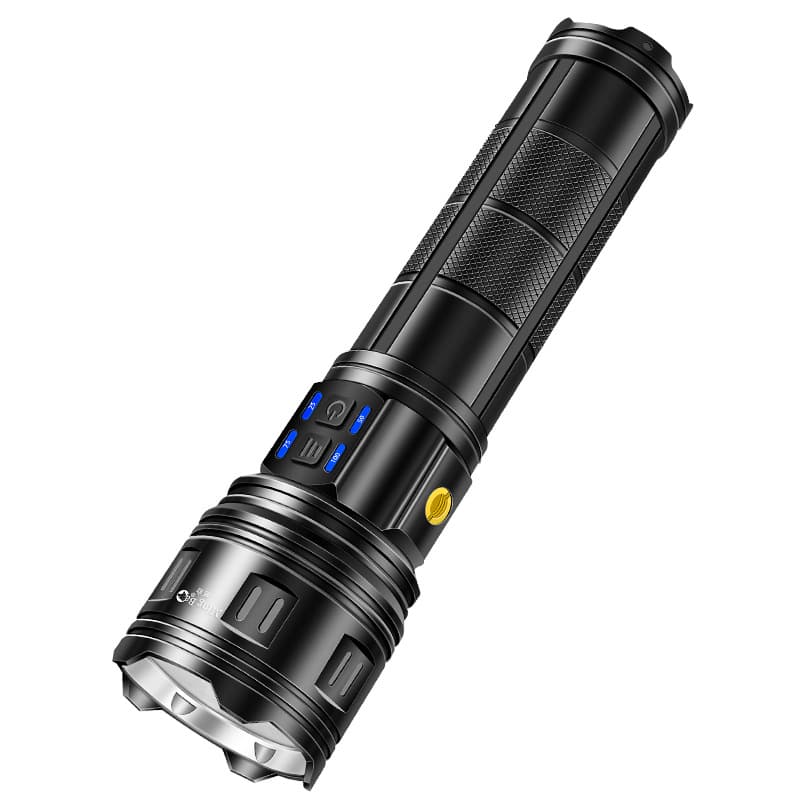
Country of origin rules determine which tariff rate applies and whether preferential trade agreement benefits are available. For flashlights, origin is typically determined by where the product undergoes substantial transformation — usually the country of final assembly.
However, origin rules vary by trade agreement. Some agreements require specific regional value content percentages or specific manufacturing processes to qualify for preferential rates. Distributors should request origin documentation from manufacturers and verify eligibility for any applicable trade agreements.
Tariff Mitigation Strategies
| Strategy | Description | Considerations |
|---|---|---|
| Free trade agreement utilization | Source from countries with preferential trade agreements | Requires compliance with origin rules and documentation |
| Tariff engineering | Design products to qualify for lower-duty classifications | Must be legally compliant; consult customs expert |
| Foreign trade zones | Store inventory in bonded warehouses before duty payment | Defers duty until product enters domestic market |
| Direct country sourcing | Source from countries with lowest MFN rates | May compromise quality or increase logistics complexity |
| Regional assembly | Perform final assembly in destination region | Requires manufacturing capability but may reduce duties |
Anti-Dumping and Trade Remedies
Some countries have imposed anti-dumping duties on flashlights or flashlight components from specific origins. These duties are separate from standard tariffs and can significantly increase landed costs. Distributors should monitor trade remedy proceedings in their target markets and verify whether their products or suppliers are affected.
The industry supply chain analysis provides additional context on how trade policy changes affect sourcing decisions.
Documentation and Compliance Requirements
Import documentation requirements vary by destination but typically include:
- Commercial invoice with accurate product descriptions and values
- Packing list detailing contents by carton
- Certificate of origin (when claiming preferential rates)
- Product safety certifications (CE, FCC, etc.) for customs clearance
- Material safety data sheets for lithium battery shipments
- UN 38.3 test summaries for battery-powered products
Incomplete or inaccurate documentation can result in customs delays, inspections, and penalties. Establish documentation requirements with your manufacturer before production begins.
Supply Chain Risk Management
Tariff uncertainty creates planning challenges for distributors. Strategies to manage risk include:
- Multi-country sourcing: Maintain relationships with manufacturers in multiple countries to shift production if tariffs change
- Inventory buffering: Increase safety stock before anticipated tariff changes
- Contract flexibility: Negotiate pricing terms that account for tariff fluctuations
- Regular monitoring: Track trade policy developments in all target markets
Conclusion and Next Steps
Tariffs and trade policies are dynamic factors that affect flashlight import costs and compliance requirements. Distributors who understand duty structures, origin rules, and mitigation strategies can maintain competitive positioning despite trade policy uncertainty.
Work with experienced customs brokers and freight forwarders to navigate import requirements. Verify all documentation before shipment and maintain flexibility in your supply chain to adapt to policy changes.
If you are planning flashlight imports and need guidance on tariff structures and compliance requirements, contact VZJlight with your target markets and sourcing plans.