
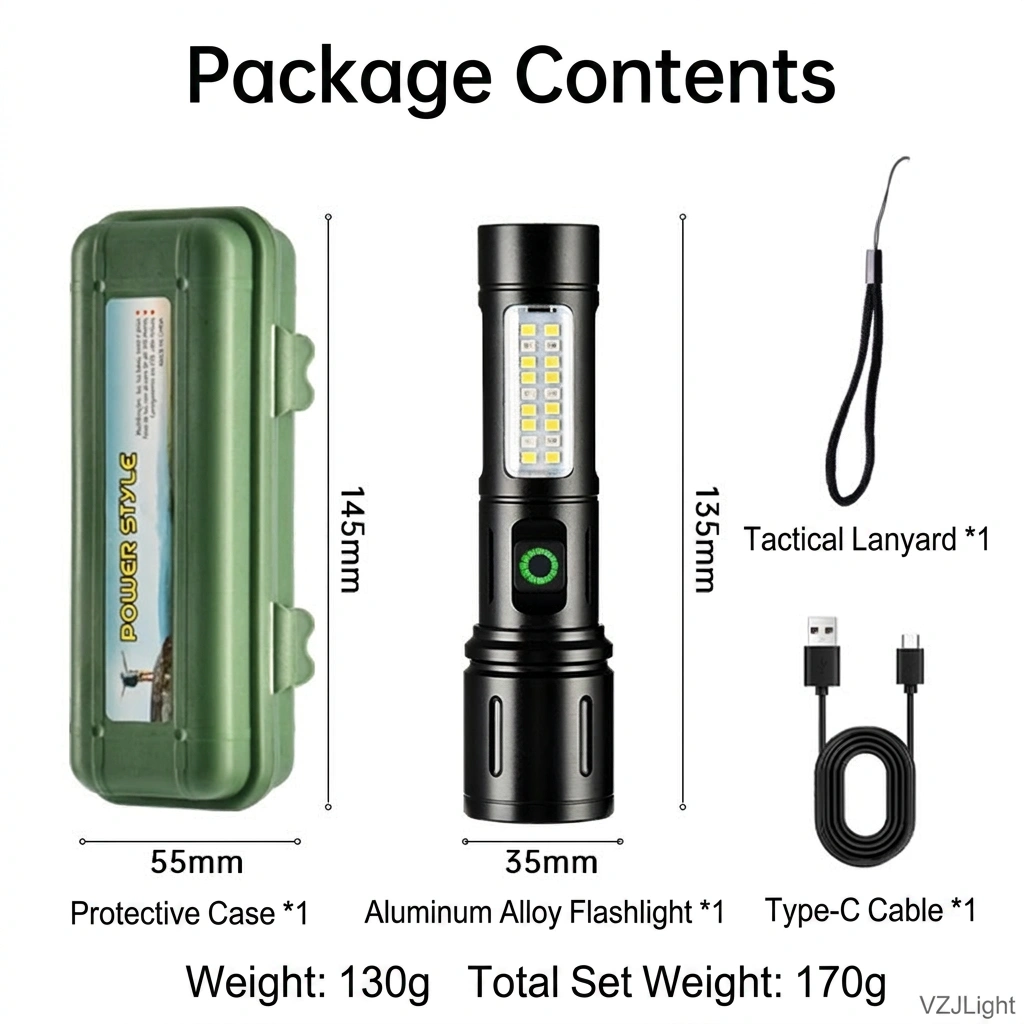
Single Mode vs Multi-Mode Flashlight: What Do End Users Actually Want in 2026?
For wholesale buyers comparing single mode and multi-mode flashlights, user preference depends on use case complexity, technical sophistication, and simplicity expectations. Compare sales data, return rates, and end-user feedback before selecting a mode configuration for your catalog.
Mode Configuration Types
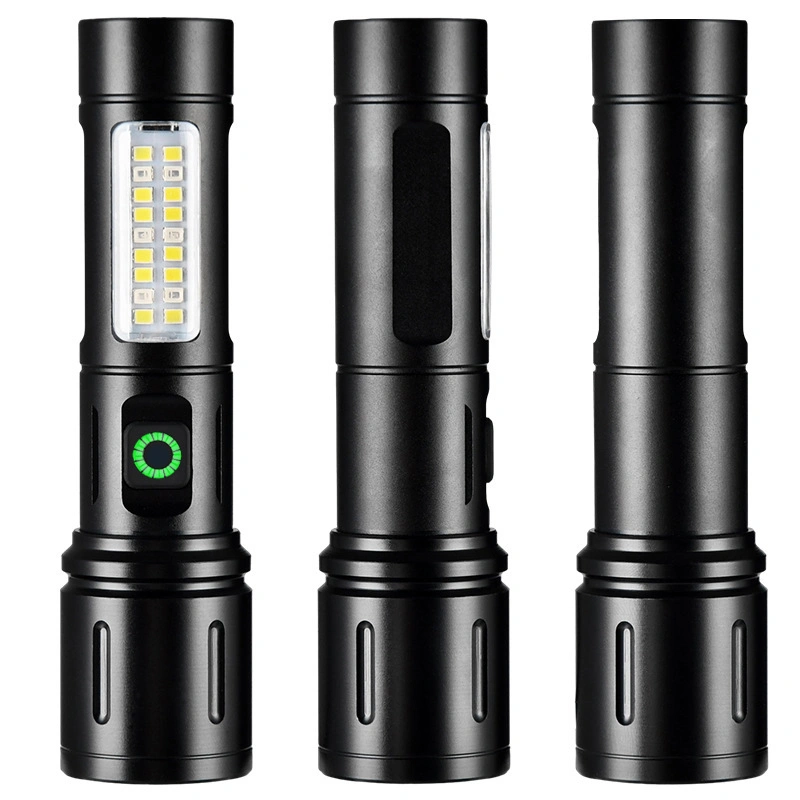
Single mode flashlights operate at one brightness level, activated by a simple on/off switch. Multi-mode flashlights offer multiple brightness levels — typically low, medium, high, and sometimes turbo — plus additional functions like strobe, SOS, or beacon. Some models include mode memory, which returns to the last-used brightness when activated.
The mode configuration affects user experience, battery life, and product complexity. Single mode designs are inherently simpler to manufacture and support. Multi-mode designs offer versatility but introduce user interface complexity that can confuse some buyers.
User Segments and Mode Preferences
| User Segment | Single Mode Preference | Multi-Mode Preference | Distributor Recommendation |
|---|---|---|---|
| Tactical/law enforcement | High — instant max output | Low — mode cycling dangerous | Single mode or dual-mode (high/strobe) |
| General consumer | Moderate — simplicity valued | High — versatility appreciated | Multi-mode with memory |
| Outdoor enthusiast | Low — needs multiple levels | High — runtime management critical | Multi-mode with moonlight and turbo |
| Elderly/senior users | High — avoids confusion | Low — too complex | Single mode with large button |
| Emergency preparedness | Moderate | High — SOS and beacon valued | Multi-mode with emergency functions |
User Interface Complexity and Returns
Multi-mode flashlights generate more support requests and returns when users cannot figure out how to access desired modes. Common complaints include accidentally entering strobe when seeking low mode, difficulty finding mode memory, and unexpected behavior after battery replacement.
Distributors should evaluate the manufacturer’s user interface design before committing to multi-mode products. Look for intuitive mode sequences, clear user documentation, and reliable mode memory implementation. The e-commerce sourcing guide highlights how user experience affects online review scores.
Manufacturing and Cost Implications
Single mode drivers are simpler and less expensive than multi-mode drivers. The driver circuit, switch logic, and firmware all add cost and potential failure points. However, the per-unit cost difference is usually small enough that mode configuration should be driven by market demand rather than manufacturing cost alone.
More significant is the warranty and support burden. Multi-mode products with firmware-based control may require more complex warranty diagnostics. Single mode products have fewer components that can fail and are easier to troubleshoot remotely.
Sales Performance by Channel
Amazon and mass-market retail channels show strong preference for multi-mode products because the feature list looks more impressive in product descriptions and comparison tables. Specialty channels serving professional users often prefer single mode or limited multi-mode designs because the target buyers understand their specific needs and do not want unnecessary complexity.
The Amazon tactical gear market demonstrates how feature density affects click-through rates and conversion in e-commerce environments.
Hybrid Configuration Strategies
Some manufacturers offer hybrid solutions that combine the simplicity of single-mode operation with the versatility of multi-mode:
- Dual-switch designs: One switch for on/off, another for mode selection
- Programmable modes: Users can disable unwanted modes
- Simple/mode grouping: Press for on/off, hold for mode cycle
- Tactical tail + side switch: Tail switch for instant turbo, side switch for mode selection
These designs attempt to satisfy both simplicity-seeking and versatility-seeking users, but they increase manufacturing complexity and cost.
Quality Indicators for Mode Systems
When evaluating multi-mode flashlights, test:
- Mode spacing — are brightness levels usefully differentiated or too close together?
- Mode memory reliability — does it consistently return to the last mode?
- Strobe accessibility — is strobe easy to access accidentally?
- Low battery behavior — does mode availability change gracefully as voltage drops?
- Switch tactile feedback — can users distinguish clicks from holds reliably?
Conclusion and Next Steps
Single mode appeals to users who prioritize simplicity, reliability, and instant access to maximum output. Multi-mode appeals to users who want versatility, runtime management, and emergency functions. The optimal configuration depends on your target market’s technical sophistication and use cases.
Review your existing sales data and customer feedback to identify which mode configurations perform best in your channels. If you are entering a new market, start with a mix of both configurations and let demand data guide future inventory decisions.
If you are selecting mode configurations for your flashlight product line, contact VZJlight with your target user profiles and channel strategy.