
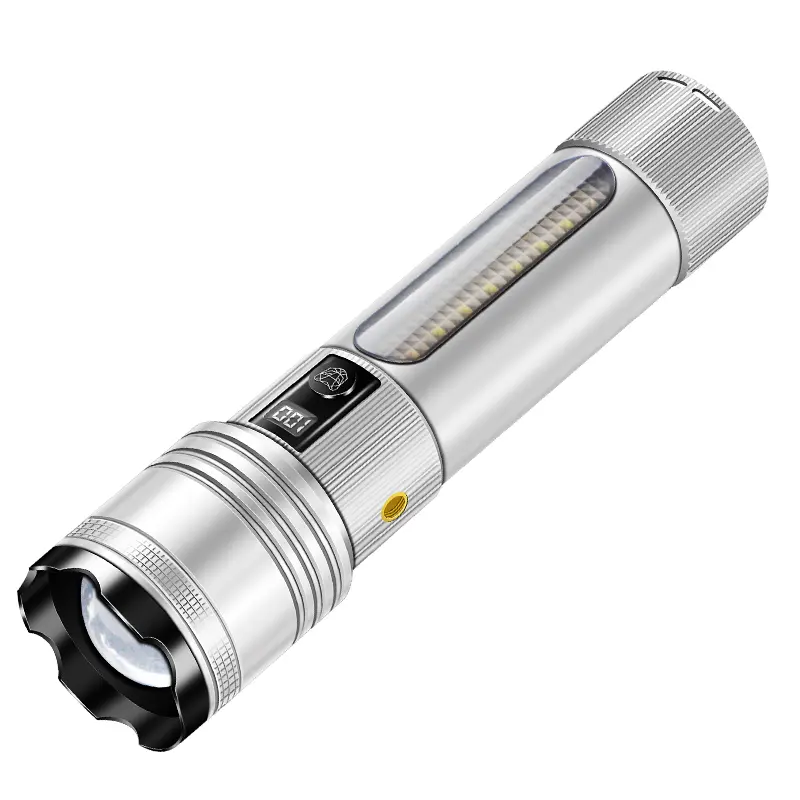
Zoomable Flashlight vs Fixed Beam Flashlight: Which Sells Better on Amazon and in Retail in 2026?
For wholesale buyers comparing zoomable and fixed beam flashlights, sales performance depends on target channel, end-user expectations, and product quality. Compare optical efficiency, mechanical reliability, return rates, and channel-specific demand before selecting a design platform.
Optical Design Fundamentals
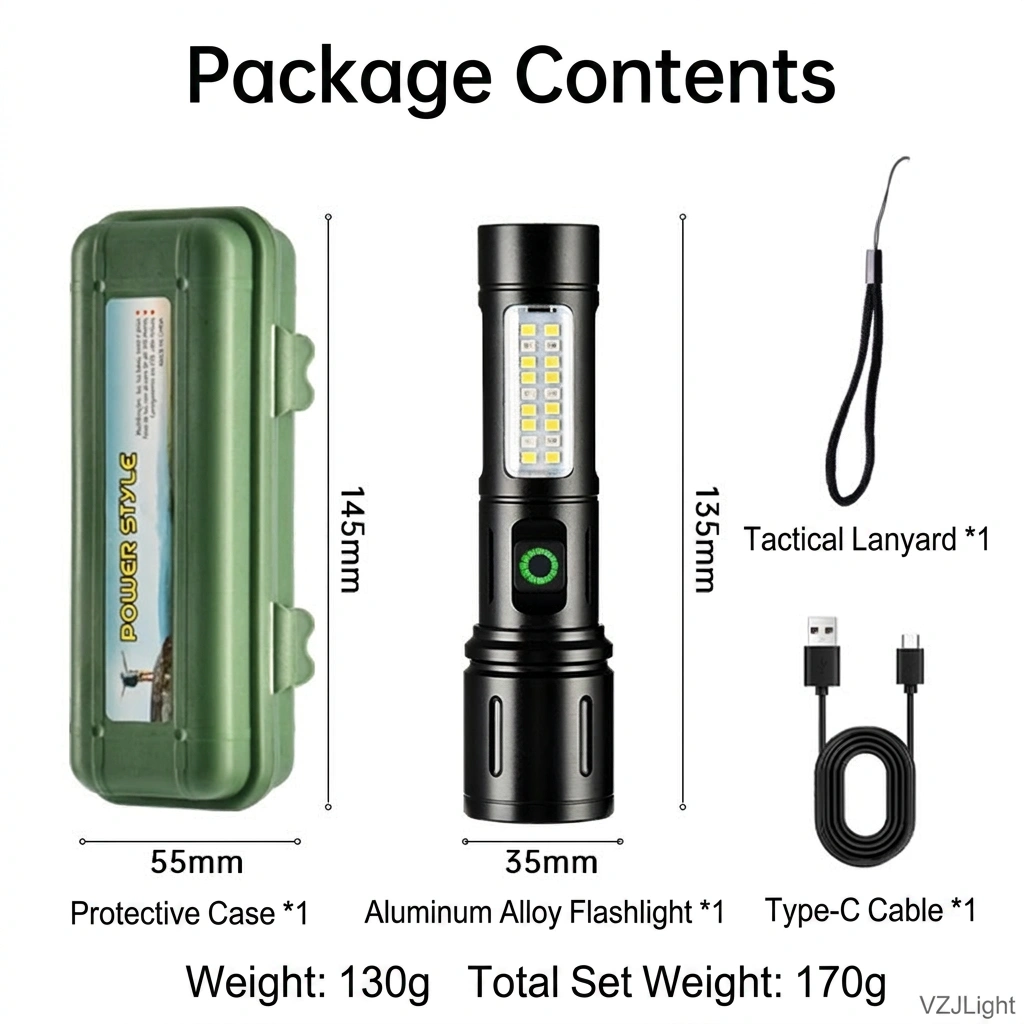
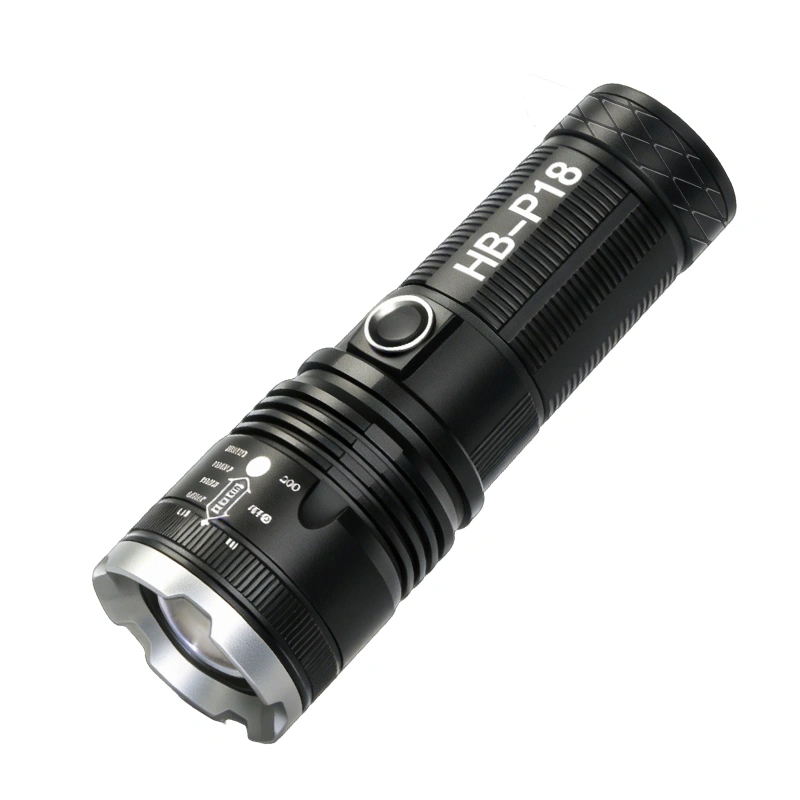
Fixed beam flashlights use a reflector or total internal reflection (TIR) optic to produce a consistent beam pattern. The relationship between hotspot size, spill brightness, and beam angle is determined by the optical design and cannot be changed by the user. Zoomable flashlights use a sliding or rotating mechanism to move the LED relative to the lens, allowing the user to adjust between a wide flood and a tight spot.
The optical efficiency difference matters for distributors. Fixed optics are optimized for a specific beam pattern and typically deliver more usable light output from the same LED. Zoom mechanisms introduce optical losses at intermediate positions and can reduce maximum throw distance compared to a fixed reflector of similar diameter.
Mechanical Reliability and Return Rates
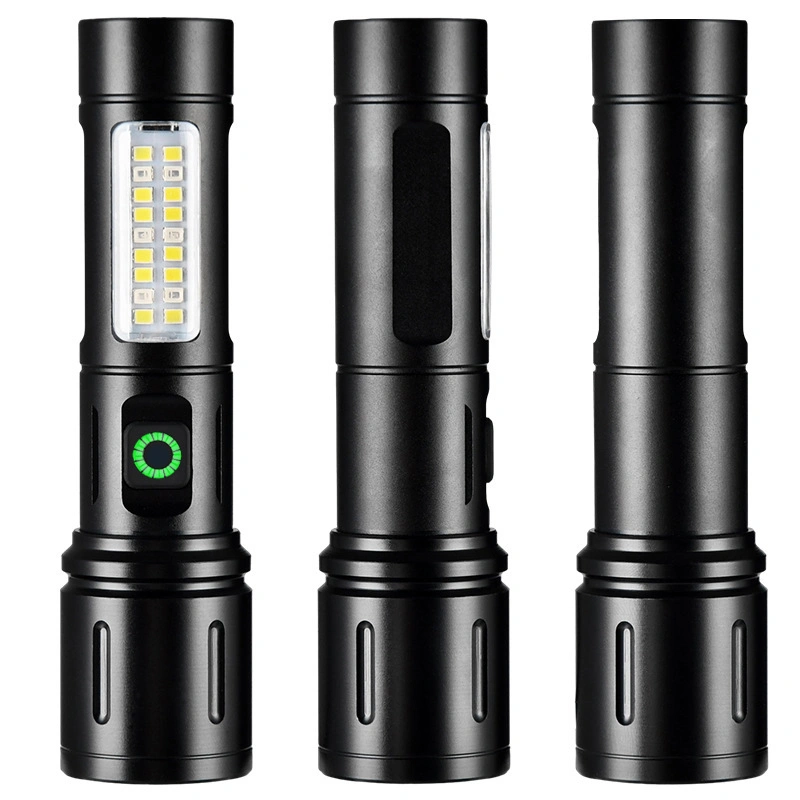
Zoom mechanisms add moving parts: sliding barrels, O-rings, threads, and sometimes cam systems. These components are subject to wear, contamination, and user abuse. Fixed beam designs have no moving optical components, resulting in higher long-term reliability and lower return rates.
Distributors should ask manufacturers for return rate data segmented by design type. If zoomable models show significantly higher return rates for mechanical failure, factor the warranty and replacement cost into margin calculations. The sourcing guide provides additional context on evaluating product reliability.
User Preference by Sales Channel
| Channel | Zoomable Preference | Fixed Beam Preference | Distributor Strategy |
|---|---|---|---|
| Amazon | High — adjustable features appeal to comparison shoppers | Moderate — preferred by informed buyers | Zoomable generates more clicks; fixed beam yields better reviews |
| Specialty outdoor retail | Moderate — some users want versatility | High — enthusiasts value optical quality | Fixed beam for core line; zoomable as budget option |
| Security/professional | Low — reliability concerns dominate | High — consistent performance required | Fixed beam exclusively for professional channels |
| Emergency preparedness | High — versatility valued in multi-use scenarios | Moderate | Zoomable for prepper market; emphasize durability claims |
Margin Analysis by Design Type
Zoomable flashlights often command slightly higher retail prices due to the perceived versatility. However, the mechanical complexity increases manufacturing cost and warranty exposure. Fixed beam designs have lower production cost and warranty risk but may face price pressure in channels where zoomable competitors are prevalent.
The net margin depends on your specific cost structure, warranty terms, and return rates. Request the manufacturer’s cost breakdown for comparable zoomable and fixed models, and calculate margin after accounting for estimated warranty claims and returns.
Product Positioning Recommendations
For distributors serving multiple channels, a dual-product strategy often works best:
- Entry tier: Zoomable models at competitive prices for Amazon and mass-market retail
- Performance tier: Fixed beam models with optimized optics for enthusiast and professional channels
- Hybrid tier: Dual-LED designs that offer both flood and throw without mechanical zoom
The LEP searchlight category demonstrates how specialized fixed-optic designs can command premium pricing in narrow segments.
Quality Indicators for Zoomable Designs
Not all zoomable flashlights are equally reliable. Distributors should evaluate:
- Smoothness and resistance of the zoom action
- O-ring quality and sealing at the sliding joint
- Thread engagement length and material
- Wobble or play in the extended position
- Consistency of beam focus across the zoom range
Request samples and subject them to repetitive zoom cycling to identify designs with weak mechanical components before committing to production.
Conclusion and Next Steps
Neither zoomable nor fixed beam designs are universally superior. Zoomable appeals to buyers who value versatility and adjustability, particularly in consumer channels. Fixed beam appeals to buyers who prioritize optical efficiency, reliability, and consistent performance, particularly in professional channels.
Match the design type to your target market’s priorities and your capacity to handle warranty claims. Test both types with your customer base before making large inventory commitments.
If you are deciding between zoomable and fixed beam flashlight designs for your product line, contact VZJlight with your target channels and volume requirements.