
Why That “Too Good to Be True” Flashlight Quote Will Cost You More
Summary: A suspiciously low flashlight quote almost always hides extra costs that appear later. Suppliers use this tactic to win your order, then add charges for packaging, certifications, molds, and shipping. A realistic flashlight quote includes all costs upfront. Here is how to spot the trap and get an honest price.
Introduction
You have been negotiating with five flashlight suppliers on Alibaba. Four of them quoted $4.80 per unit. The fifth one quoted $3.20. Your spreadsheet says that is a $1,600 savings on a 2,000-unit order. You are tempted to go with the cheapest option.
Do not. That low flashlight quote is not a deal. It is a trap that will cost you more than the difference by the time your shipment lands.
In 15 years of manufacturing flashlights, I have watched this pattern repeat hundreds of times. The buyer celebrates the “great price,” places the order, and then the hidden costs start appearing. By the end, they have paid more than the honest supplier would have charged—and they have a worse product.
This article breaks down exactly how the low flashlight quote trap works, what hidden costs to watch for, and how to structure your RFQ so suppliers cannot play this game.
How the Low Flashlight Quote Trap Works
Here is the playbook that dishonest flashlight suppliers use:
Step 1: Quote Below Cost to Win the Order
The supplier knows they cannot make a quality flashlight at $3.20. But they also know that buyers compare spreadsheet cells, not final invoices. They quote low to get you to stop talking to competitors.
Reality check: A decent aluminum flashlight with a branded LED, proper driver, and basic IPX4 rating costs around $3.50-$4.50 to manufacture at volume. Anyone quoting below that is cutting corners or planning to add charges later.
Step 2: Hide Critical Cost Components
The initial flashlight quote covers only the bare product—often without:
- Packaging (retail box, manual, insert)
- Product labeling and branding
- Certification documentation (CE, RoHS, FCC)
- Custom colors or finishes
- Batteries (if included)
- Quality inspection
These are not optional extras. They are requirements. The supplier simply excluded them from the quote to make the number look better.
Step 3: Add Charges After You Are Committed
Once you have paid a deposit and spent two weeks on sampling, the supplier starts adding “unforeseen” costs:
- “The mold fee was not included” — $800-$2,000 for custom branding
- “Certification testing is extra” — $500-$1,500 per standard
- “Your packaging requires a special insert” — $0.30-$0.80 per unit
- “Shipping costs increased” — vague but always more than quoted
At this point, you are emotionally and financially committed. Walking away means losing your deposit and starting over. Most buyers swallow the extra costs.
Step 4: Reduce Quality to Protect Margin
Some suppliers do not add charges. They simply ship a worse product:
- Cheaper LED with lower output and shorter lifespan
- Thinner aluminum body that dents easily
- Unbranded battery that fails safety standards
- Missing O-rings or poor thread quality
By the time you discover this, the shipment is in your warehouse and the supplier has moved on.
The Hidden Cost Breakdown: $3.20 vs $4.80 Quote
| Cost Item | Honest Quote ($4.80) | Low Quote ($3.20) | Hidden Reality |
|---|---|---|---|
| Base flashlight | $4.80 | $3.20 | May use cheaper components |
| Retail packaging | Included | $0.50/unit | Added after deposit |
| Logo printing | Included | $0.30/unit | Or mold fee $1,200 |
| CE test report | Included | $800 | “Not included in original quote” |
| Pre-shipment inspection | Included | $300 | Or skip and risk defects |
| Real cost per unit | $4.80 | $4.95+ | More expensive + worse product |
That “savings” just became a loss—and you still do not know if the flashlight meets your quality standards.
Why Buyers Fall for the Low Flashlight Quote
Confirmation Bias
You want to believe you found a great deal. Your brain dismisses warning signs because the number fits your budget. This is exactly what the supplier is counting on.
Lack of Cost Transparency
If you do not know what a flashlight should cost, you cannot evaluate the quote. Most first-time buyers have no reference point.
Pressure to Hit Margins
If you are reselling flashlights wholesale, your retail price is fixed. A lower cost means higher profit. The temptation to accept a low flashlight quote is real—but the math does not work if quality fails.
Trust in Platform Reassurance
Alibaba trade assurance, supplier badges, and years in business create a false sense of security. None of these prevent a bad flashlight quote from becoming a bad order.
7 Questions to Expose a Dishonest Flashlight Quote
Send these questions with every RFQ. An honest supplier will answer directly. A dishonest one will dodge, delay, or give vague responses:
1. Does this quote include retail packaging with my branding?
- Honest answer: “Yes, color box with insert and manual.”
- Red flag: “We can discuss packaging later.”
2. Are certification documents (CE, RoHS) included?
- Honest answer: “Yes, valid test reports for your model.”
- Red flag: “We can get them for extra cost.”
3. What is the mold fee for my logo?
- Honest answer: “Laser engraving is free at 1,000 units.”
- Red flag: “We will confirm after you place the order.”
4. Is pre-shipment inspection included?
- Honest answer: “Yes, AQL 2.5 standard inspection.”
- Red flag: “Inspection is not standard practice.”
5. What is the real lead time from deposit to shipment?
- Honest answer: “25-30 days for standard models.”
- Red flag: “Around 2 weeks” (unrealistic for manufacturing).
6. Are batteries included, and are they certified?
- Honest answer: “Unbranded 18650 included; branded available at cost.”
- Red flag: “Batteries are separate discussion.”
7. What happens if the product fails inspection?
- Honest answer: “We rework or replace at our cost.”
- Red flag: “You can reject the shipment” (no rework commitment).
How to Structure Your RFQ to Prevent Quote Games
The problem is not just dishonest suppliers. It is also vague RFQs that let suppliers hide costs. Here is the RFQ structure we recommend to every buyer:
RFQ Template for Flashlight Quotes
- Product specifications — Exact model, LED type, battery config, dimensions, finish
- Packaging requirements — Box type, manual language, insert design
- Branding requirements — Logo placement, method (laser, pad print, silk screen)
- Certification requirements — CE, RoHS, FCC, or market-specific
- Quality standard — AQL level, inspection timing, defect tolerance
- Delivery terms — Incoterms, port, delivery date
- Payment terms — Deposit percentage, balance timing
When every requirement is specified upfront, the supplier cannot hide costs. Their flashlight quote must include everything or they expose themselves.
What a Realistic Flashlight Quote Looks Like
Here is what an honest flashlight quote for a mid-range aluminum tactical flashlight (1,000 units) should include:
| Item | Cost | Notes |
|---|---|---|
| Flashlight unit | $4.20-$5.50 | Depending on LED and driver quality |
| Retail color box | $0.40-$0.70 | With manual and insert |
| Logo printing | $0.00-$0.30 | Laser often free at volume |
| CE/RoHS docs | $0.00 | Should be included for existing models |
| Pre-shipment inspection | $0.00-$0.15 | Per-unit or flat fee |
| Total landed estimate | $4.95-$6.20 | Plus shipping and duties |
If a flashlight quote comes in at $3.50 or below for this spec, something is wrong. Either the product will not match the sample, or hidden costs will appear later.
When a Low Flashlight Quote Is Actually Legitimate
Not every low quote is a trap. Here are legitimate reasons for a lower price:
- Excess inventory — The supplier overproduced for another client
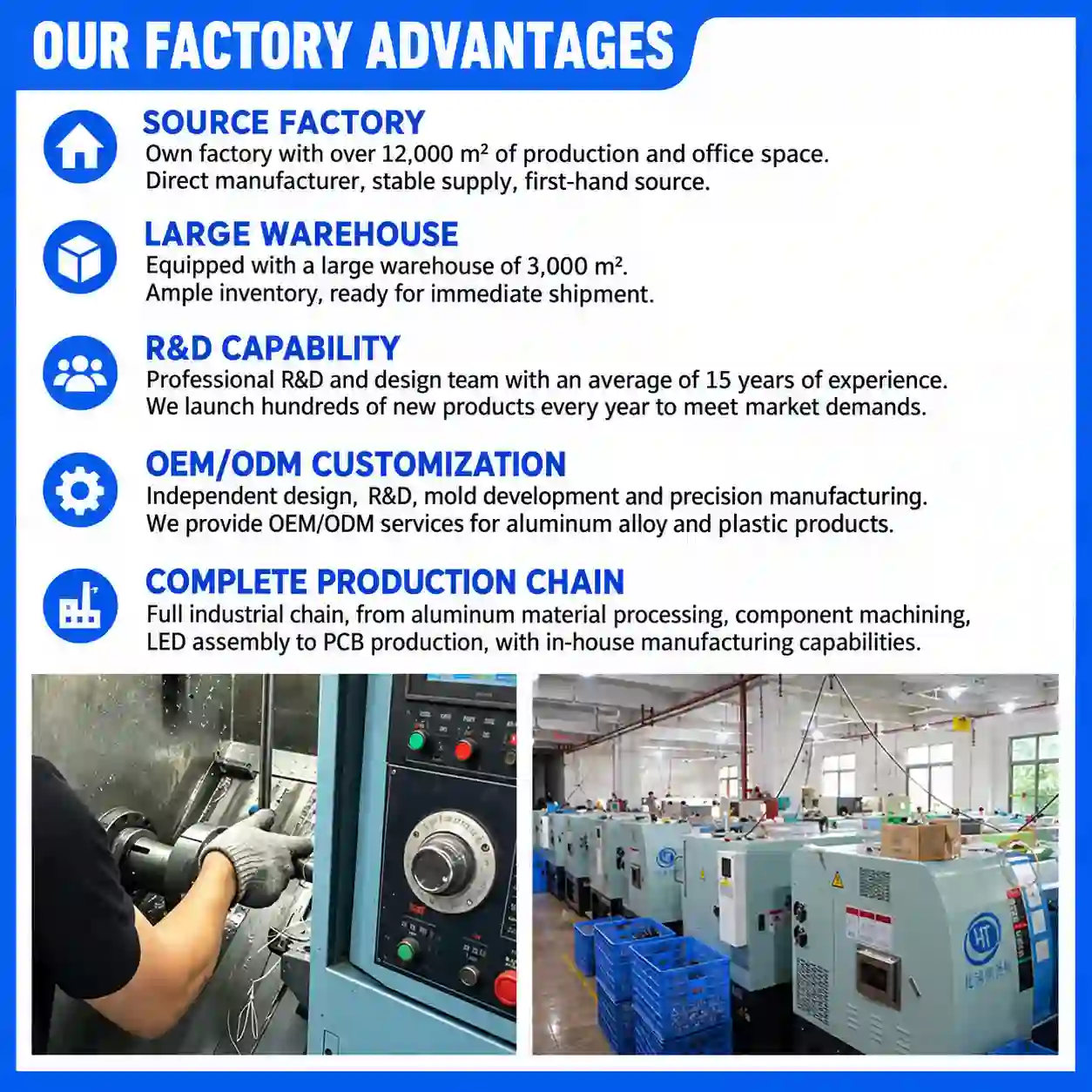
- Direct factory — No trading company margin (but verify they are actually the factory)
- Simpler specs — Lower LED grade, plastic instead of aluminum, no branding
- Volume commitment — 10,000+ units genuinely reduce per-unit cost
- Established relationship — Long-term clients get better pricing
The difference is transparency. A legitimate low flashlight quote explains why it is lower. A trap quote just shows a low number and hopes you do not ask questions.
Our Approach to Flashlight Quotes at VZJlight
We do not play the low-quote game:
- Every flashlight quote is itemized — You see exactly what you are paying for
- No hidden mold fees — Logo setup costs are stated upfront
- Certification included — CE, RoHS, FCC docs come with the product
- Inspection included — AQL 2.5 pre-shipment check on every order
- Fixed pricing valid for 30 days — No surprise increases after you commit
If our quote is higher than a competitor’s, we will explain exactly why. Usually it is because we included something they left out.
Conclusion
A flashlight quote is not just a number. It is a test of the supplier’s honesty. The cheapest quote is rarely the cheapest order.
Before you accept any flashlight quote, run it through the 7-question checklist in this article. If the supplier cannot give straight answers, their low price will cost you more in the long run.
Remember: A good supplier wants a long-term relationship built on transparency. A bad supplier wants your deposit. The flashlight quote tells you which one you are dealing with.
Need an honest flashlight quote for your next order? Send us your specs and we will send you a fully itemized quote within 24 hours—no hidden costs, no surprises.
Have you been burned by a low quote that turned expensive? Share your story in the comments or contact us—we have helped hundreds of buyers recover from bad supplier relationships.