
Why Wholesale Buyers Prefer Raw Factory Photos Over Polished Product Renders: What Flashlight Suppliers Get Wrong About Visual Trust
For raw factory photos wholesale buyers, unedited product images build more trust than polished renders. Honest photography reveals real manufacturing conditions, reduces sample-order waste, and signals transparent factory-direct pricing rather than inflated middlemen markups.
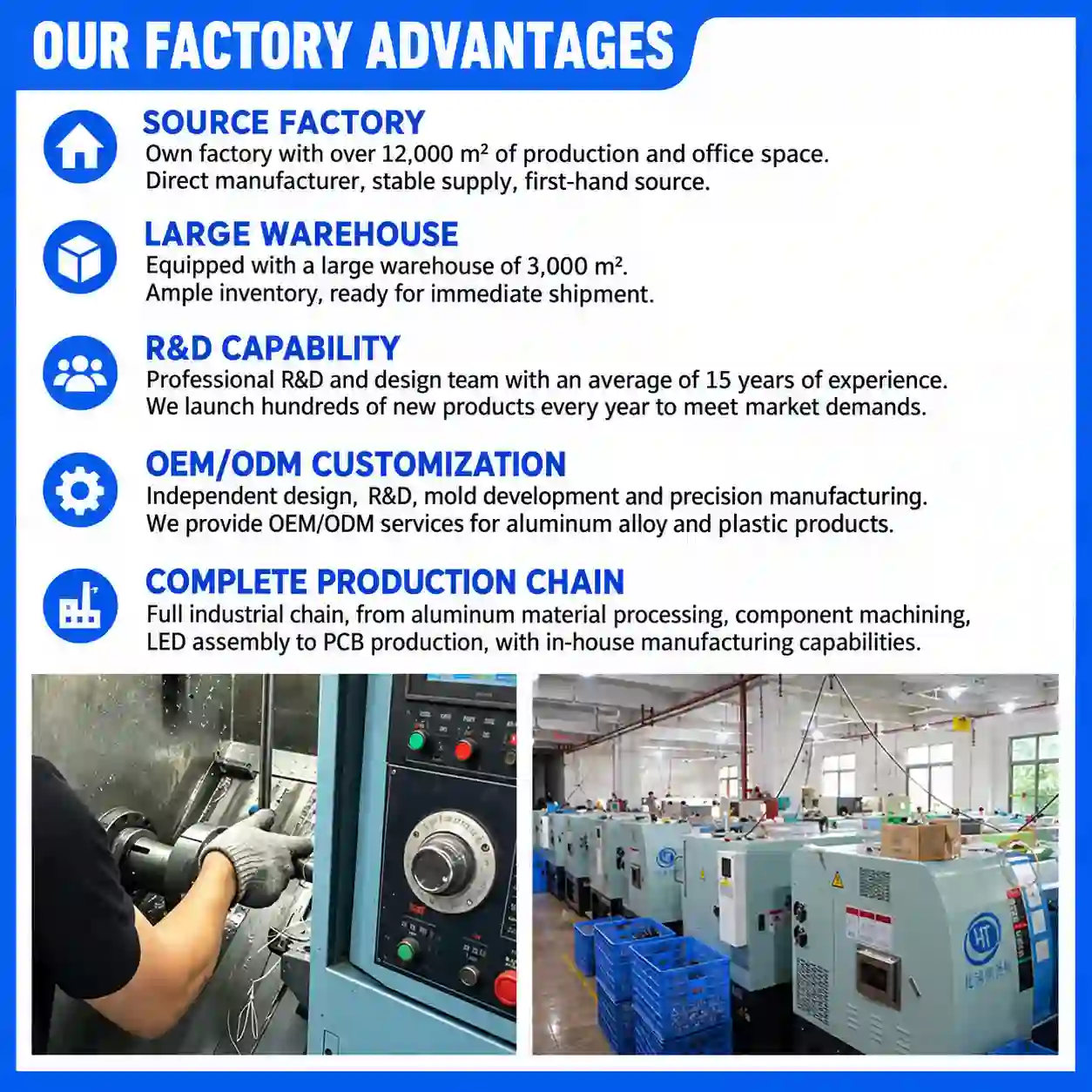
Raw Factory Photos Wholesale Buyers Trust More Than Polished Renders
A professional buyer evaluating a new flashlight supplier typically makes a go-or-no-go decision within the first three minutes of opening a product page. During those three minutes, the images do more talking than the specifications. And increasingly, buyers are walking away from suppliers whose product pages look like they were designed for an Instagram campaign rather than a procurement desk.
The reason is straightforward. A wholesale buyer ordering five hundred to five thousand units is not buying the promise of a product. They are buying the product itself, repeatedly, with their own capital at risk. When a supplier presents only studio-lit renders, AI-enhanced backgrounds, and color-corrected hero shots, the buyer sees not quality but concealment. The underlying question becomes: what is this supplier hiding?
This is not aesthetic preference. It is risk management. A polished render removes context. There is no factory floor visible, no tooling marks on the aluminum, no evidence of actual production capacity. The buyer cannot tell whether the image represents a single hand-built prototype or a mass-production unit. They cannot assess surface finish consistency, LED alignment tolerances, or the quality of the anodizing batch. In short, they are being asked to commit capital to an idealized version of a product they have never actually seen.
Conversely, a raw factory photo — taken under fluorescent workshop lighting, showing the product on a workbench with tooling and packaging materials in the background — tells the buyer something far more valuable. It says: this product exists in quantity. It is being made now. The supplier is confident enough in their process to show it unfiltered. That confidence translates directly into procurement trust.
What Wholesale Buyers Actually Look for in Product Images
When we talk to professional flashlight distributors and import managers about raw factory photos wholesale sourcing, the pattern is consistent. Their visual evaluation follows a checklist, and that checklist has almost nothing to do with beauty.
Manufacturing context. Buyers want to see the product in its native environment. A flashlight photographed on a factory workbench, next to a QC checklist and a batch label, communicates more about production discipline than any ISO certificate. The background clutter is not a distraction; it is evidence.
Surface finish reality. Polished renders smooth out machining marks, anodizing streaks, and casting imperfections. Raw photos reveal them. Experienced buyers know that a perfectly uniform surface in a render often translates to visible inconsistency in a ten-thousand-unit shipment. They would rather see the real surface at the quoting stage than discover it during incoming inspection.
Scale and quantity. A single product on a white background gives no indication of production volume. A pallet of finished units in a warehouse photo, or a tray of circuit boards during assembly, answers the buyer’s first question before they ask it: can this supplier actually deliver the quantity I need?
LED and optical alignment. In flashlight procurement, beam pattern and LED centering are critical quality factors. A studio render cannot show beam artifacts, tint shift, or hotspot irregularities. A raw photo of the emitter under bench lighting, or better yet a beam shot on a wall with a ruler for reference, gives the buyer data they can verify during sample evaluation.
Packaging reality. Distributors need to know what arrives at their warehouse. A render showing a sleek retail box tells them nothing about whether the actual bulk packaging will protect the product during sea freight. A photo of the export carton, the inner master carton, and the individual unit wrap tells them exactly what to expect. For a systematic approach to evaluating what factory photos reveal, see our flashlight factory audit guide.
The Psychology Behind Visual Trust in B2B Procurement
Wholesale purchasing is fundamentally different from consumer purchasing. A consumer buys one unit, uses it, and if it fails, the loss is minimal. A distributor buys five hundred units, distributes them through their channel, and if quality issues emerge, the financial and reputational damage is substantial. This asymmetry makes visual trust the single most important pre-contract signal.
Research in B2B buyer behavior — across electronics, textiles, and industrial components — consistently shows the same finding: buyers rate “transparency in supplier communication” as a higher priority than “lowest price.” Visual transparency is simply the fastest form of communication. A supplier who shows rough-cut factory photos is communicating, implicitly, that they have nothing to hide. A supplier who shows only renders is communicating the opposite.
There is also a generational component. Buyers who entered the industry through platforms like Alibaba and Global Sources have developed a trained skepticism. They have received samples that looked nothing like the product page. They have visited factories that looked nothing like the showroom photos. This experiential scar tissue means that any visual that looks too good triggers an automatic discounting reflex. The buyer assumes the image is misleading and mentally marks down the supplier’s credibility.
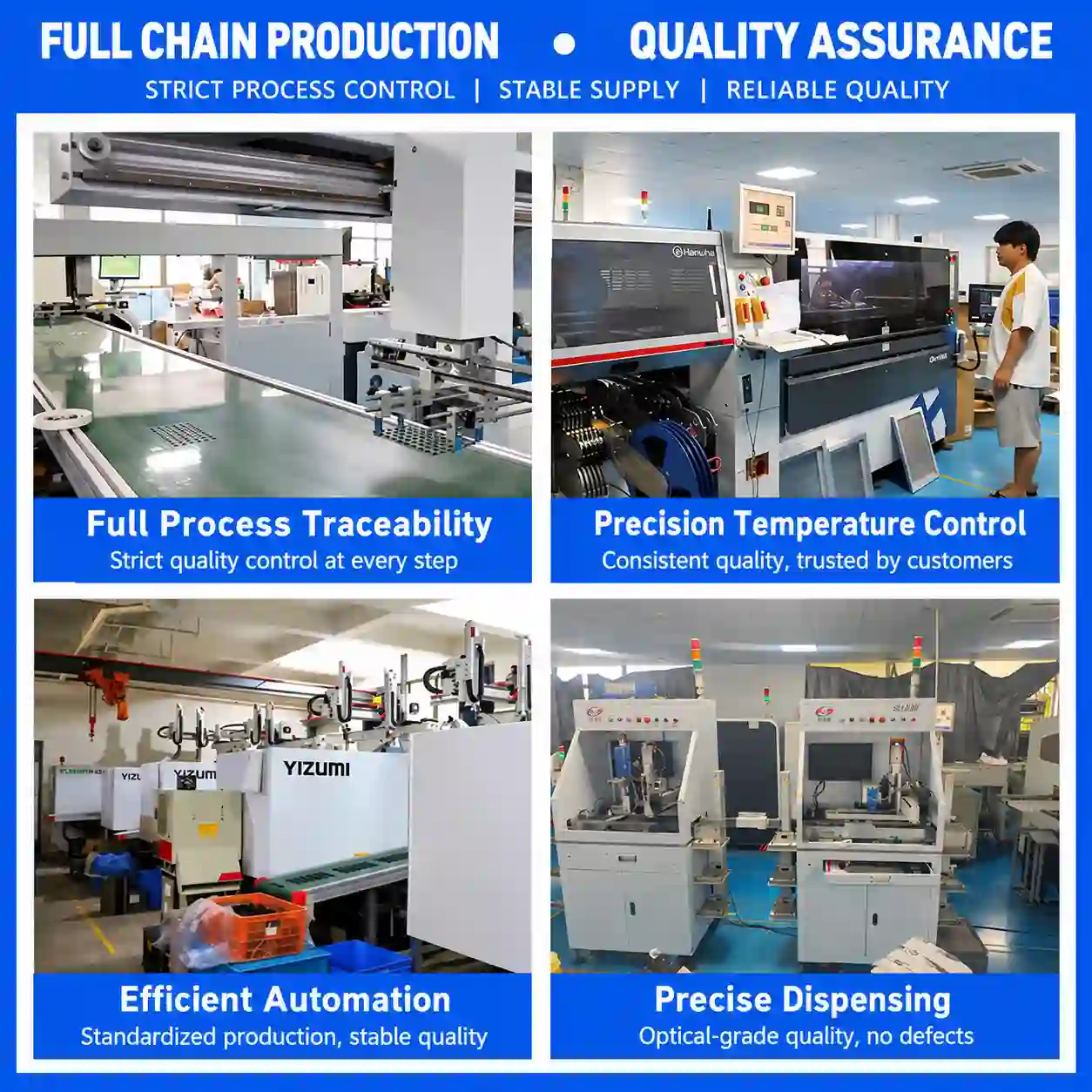
How AI-Enhanced Images Are Accelerating Buyer Skepticism
The widespread availability of AI image enhancement tools has made the problem worse, not better. A supplier can now take a mediocre product photo and, with a few clicks, generate a visually stunning image that bears only a passing resemblance to the physical item. Backgrounds become tropical beaches. Shadows become perfectly soft. Colors become impossibly saturated.
Professional buyers are not fooled. In fact, they are becoming more sensitive. A 2025 survey of European electronics importers found that sixty-eight percent of respondents actively distrust product images that appear “too professional” on supplier listings. The same survey found that buyers are three times more likely to request a physical sample from a supplier whose product photos look “amateur” than from one whose photos look “polished.” The amateur photos signal authenticity. The polished photos signal marketing.
For flashlight buyers specifically, AI enhancement introduces additional risks. AI tools often correct LED tint, smooth out reflector imperfections, and normalize beam patterns in ways that make the product look better than it performs. A buyer who relies on the enhanced image for quality assessment will be disappointed when the sample arrives. That disappointment turns into a lost order, a negative platform review, or worse, a returned shipment. To avoid this outcome, follow our flashlight sample order evaluation guide.
According to research published by the Harvard Business Review, B2B buyers consistently rate transparency as a higher priority than price when selecting suppliers. Similarly, the McKinsey B2B Pulse Survey found that seventy percent of B2B decision-makers are open to making fully remote purchases exceeding fifty thousand dollars if the supplier provides sufficient digital evidence of product quality and manufacturing capability.
What Honest Product Photography Looks Like for Flashlight Suppliers
Honest product photography does not mean poor-quality photography. It means photography that prioritizes information over impression. The goal is not to make the product look worse; it is to make the product look real.
Shoot in the factory, not the studio. Use the actual production environment as the backdrop. Show the workbench, the assembly line, the QC station. The buyer wants to see where the product comes from.
Include scale references. Place a ruler, a coin, or a familiar object next to the flashlight. Buyers need to understand physical dimensions from a photo, and scale references are more reliable than specification sheets that may contain errors.
Photograph the product from angles the buyer cares about. Thread detail of the tail cap. The contact surface of the positive terminal. The machining finish inside the battery tube. The alignment of the LED in the reflector. These are the details that determine whether a flashlight will hold up in the field.
Show the beam, not just the body. A beam shot on a neutral wall, taken at a measured distance, with exposure settings noted, tells the buyer more about optical quality than any render. Include shots at multiple modes if the flashlight has variable output.
Document packaging as shipped. Photograph the individual unit packaging, the inner carton, the master carton, and the pallet configuration. Buyers need to plan warehouse space and inbound handling before the shipment arrives.
Include batch variation photos. If you have ten units from the same production batch, photograph them side by side. This demonstrates consistency — or honestly reveals variation — in a way no render can.
How Buyers Evaluate Suppliers from Visual Evidence Alone
Experienced buyers have developed a mental scoring system that operates almost subconsciously when they review supplier images. For a structured checklist, refer to our guide on how to verify a flashlight manufacturer in China. Understanding this scoring system helps suppliers present themselves more effectively.
| Visual Signal | What the Buyer Thinks | Supplier Action |
|---|---|---|
| Only studio renders, no factory photos | “Probably a trading company or dropshipper” | Add unedited factory workspace photos |
| Perfect lighting and color correction | “This has been heavily edited — what are they hiding?” | Include one unedited photo per product |
| Background shows production equipment | “They actually make this — worth a sample order” | Keep workshop context visible in shots |
| Photos include QC labels or batch codes | “They have traceability systems — lower risk” | Ensure batch markings are legible in photos |
| Same product shot from multiple unflattering angles | “Confident in their product — rare and valuable” | Show thread detail, internals, and wear points |
| Beam shots with measurement references | “They test their own products — credible supplier” | Include ruler or distance marker in beam photos |
The Cost of Getting Visual Trust Wrong
Suppliers who invest heavily in polished photography often see a short-term increase in inquiry volume and a long-term decrease in conversion rate. The reason is sample failure. Buyers who were attracted by beautiful images place sample orders. The samples arrive looking different — not necessarily worse, but different. The buyer feels misled. The relationship ends before it begins.
The cost of a failed sample order is not just the sample unit and shipping. It is the lost opportunity cost of the buyer’s time, the negative word-of-mouth within buyer networks, and the platform review that damages the supplier’s reputation for months. In the B2B flashlight industry, where distributor relationships can last years and repeat orders form the bulk of revenue, a single sample failure can cost tens of thousands in lifetime value.
Conversely, suppliers who present honest, unfiltered images may see lower initial inquiry volume but significantly higher conversion rates. The buyers who do inquire are pre-qualified. They have already accepted the product as it actually is. The sample confirms their expectations rather than contradicting them. The relationship proceeds from honesty rather than disappointment.
Practical Checklist for Flashlight Supplier Visual Content
Before publishing your next product page or Alibaba listing for raw factory photos wholesale buyers, run through this checklist. Each item represents a signal that professional buyers are actively looking for.
- Factory environment visible: At least one photo shows the product in the actual production or warehouse space, with equipment and materials visible in the background.
- No excessive color correction: The aluminum finish, LED tint, and anodizing color in the photo match what the buyer will receive. If you anodize in batches, note that tint may vary.
- Scale reference included: A ruler, coin, or hand is visible in the frame so the buyer can verify dimensions without relying solely on the specification sheet.
- Internal construction visible: At least one photo shows the battery tube interior, driver board, or LED assembly — the areas where cost-cutting is most common.
- Beam pattern documented: A wall shot at known distance, with camera settings and distance noted, showing hotspot, spill, and any artifacts.
- Packaging shown as shipped: Photos of individual wrap, inner carton, master carton, and pallet configuration.
- Batch consistency demonstrated: Multiple units from the same batch photographed together to show variation — or lack thereof.
- Defects disclosed honestly: If a particular batch has a known cosmetic issue, show it in the photo and explain it in the description. Buyers prefer informed decisions to unpleasant surprises.
Conclusion: The Future of B2B Product Photography Is Transparency
The trend in B2B procurement is unmistakable. Buyers are becoming more sophisticated, more skeptical, and more willing to walk away from suppliers whose presentation does not match their reality. The suppliers who will win in this environment are not the ones with the best Photoshop skills. They are the ones with the confidence to show their product as it actually exists.
For flashlight distributors evaluating rechargeable tactical flashlight options, the shift toward raw factory photos wholesale procurement is particularly relevant. The products are technical, the quality variations are visible, and the buyer’s reputation depends on delivering reliable equipment to their own customers. A distributor who sources from a supplier with transparent photography can confidently stand behind the product. A distributor who sources from a supplier with polished renders is gambling on a sample that may or may not match the marketing.
If you are evaluating wholesale tactical flashlight suppliers and want to see what honest product documentation looks like, review our approach to factory-direct transparency before placing your next sample order. If you are a supplier looking to improve your B2B conversion rates, contact our team or start by replacing your most polished render with your most honest factory photo — and measure the difference in sample-to-order conversion.