
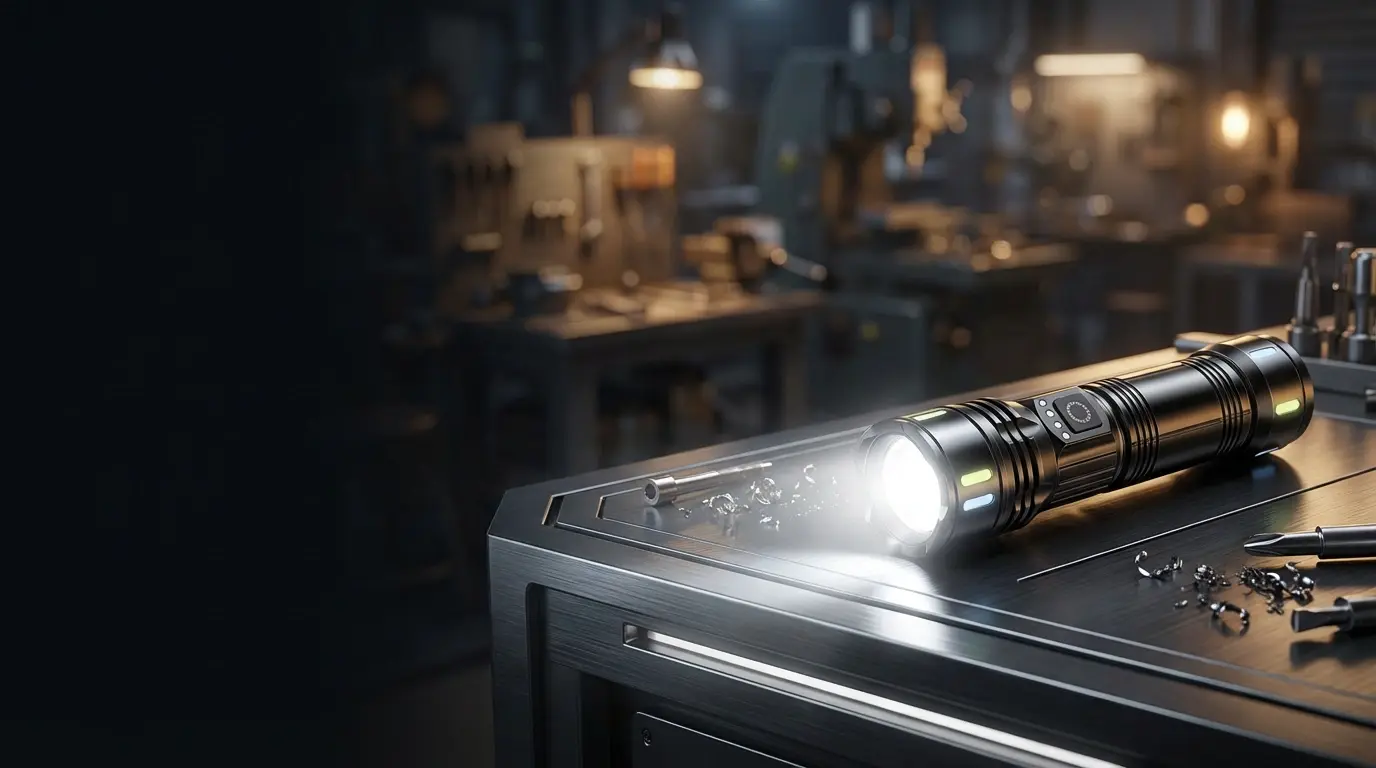
Flashlight for Construction and Industrial Work: Heavy-Duty Lighting Solutions for B2B Buyers in 2026
For wholesale buyers serving construction and industrial markets, understanding worksite requirements and safety standards ensures product suitability. Compare durability needs, certification requirements, and procurement processes before targeting B2B industrial buyers.
Industrial Flashlight Requirements
Construction and industrial worksites impose extreme demands on lighting equipment. Flashlights must survive drops, impacts, dust, moisture, and chemical exposure while providing reliable illumination for safety-critical tasks.
Core requirements include:
- High durability: Must survive repeated drops onto concrete and steel
- Reliable operation: Must function in temperature extremes and dusty conditions
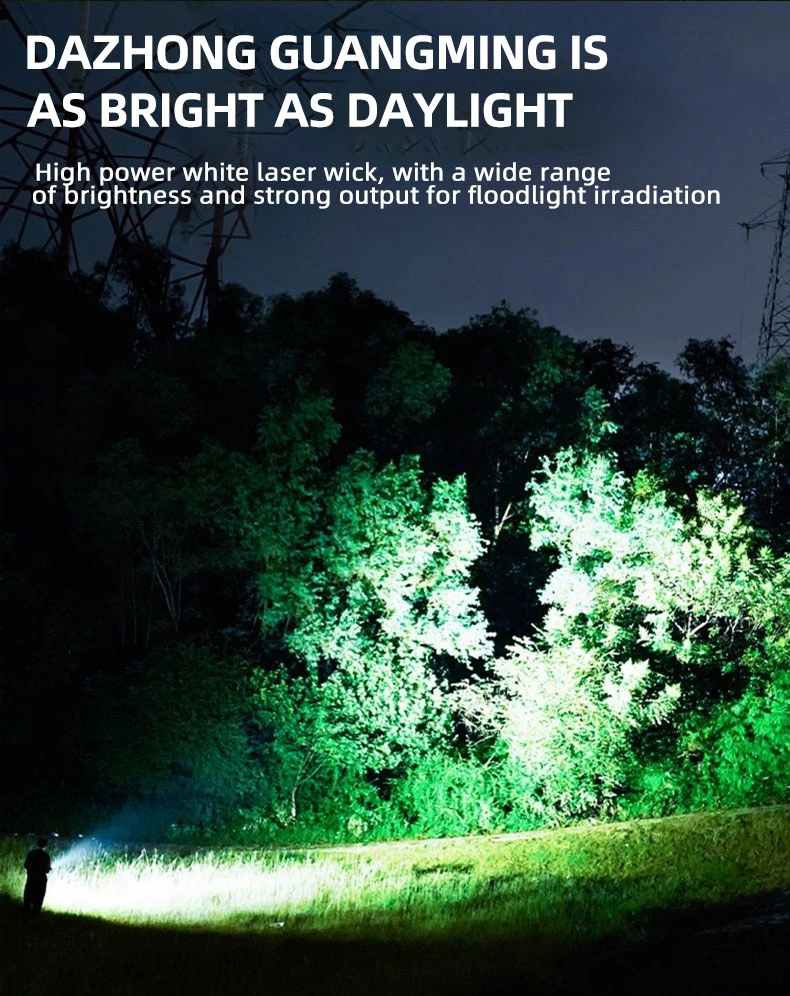
- High output: Must overcome ambient lighting from worksite equipment
- Hands-free capability: Magnetic bases, clips, or helmet mounts for task work
- Safety compliance: May require intrinsically safe ratings for hazardous environments
Hazardous Environment Ratings
Industrial flashlights used in hazardous environments may require ATEX, IECEx, or UL safety ratings. These certifications indicate that the flashlight is designed to operate safely in the presence of flammable gases, vapors, or dust.
Common hazardous area classifications:
- Class I, Division 1: Flammable gases or vapors present under normal conditions
- Class I, Division 2: Flammable gases or vapors present only under abnormal conditions
- Class II: Combustible dust environments
- Class III: Ignitable fibers and flyings
Distributors should verify whether their target customers require hazardous area ratings and confirm that products meet the specific classification needed.
Durability Specifications for Industrial Use
| Parameter | Minimum Industrial Standard | Premium Industrial Standard |
|---|---|---|
| Impact resistance | 1 meter to concrete | 2+ meters to concrete |
| Water resistance | IPX4 (splash resistant) | IPX7 or IP68 (submersible) |
| Dust protection | IP5X (dust protected) | IP6X (dust tight) |
| Operating temperature | -10°C to +40°C | -20°C to +50°C |
| Drop test standard | ANSI FL1 1 meter | Mil-STD-810G or equivalent |
Procurement in Industrial Markets
Industrial flashlight procurement differs from consumer markets:
- Safety department involvement: Industrial buyers often require safety department approval
- Bulk purchasing: Large worksites may order hundreds of units at once
- Standardization: Companies prefer standardized equipment for maintenance and training efficiency
- Extended warranties: Industrial buyers expect longer warranty periods and repair services
- Volume pricing: Significant discounts expected for large orders
The wholesale manufacturing context helps understand how industrial-grade products are developed.
Feature Priorities for Construction Use
Construction workers prioritize specific features:
- Magnetic base: Attaches to steel structures for hands-free illumination
- Pivoting head: Directs light without repositioning the body
- High/low modes: Bright output for area lighting, low for close task work
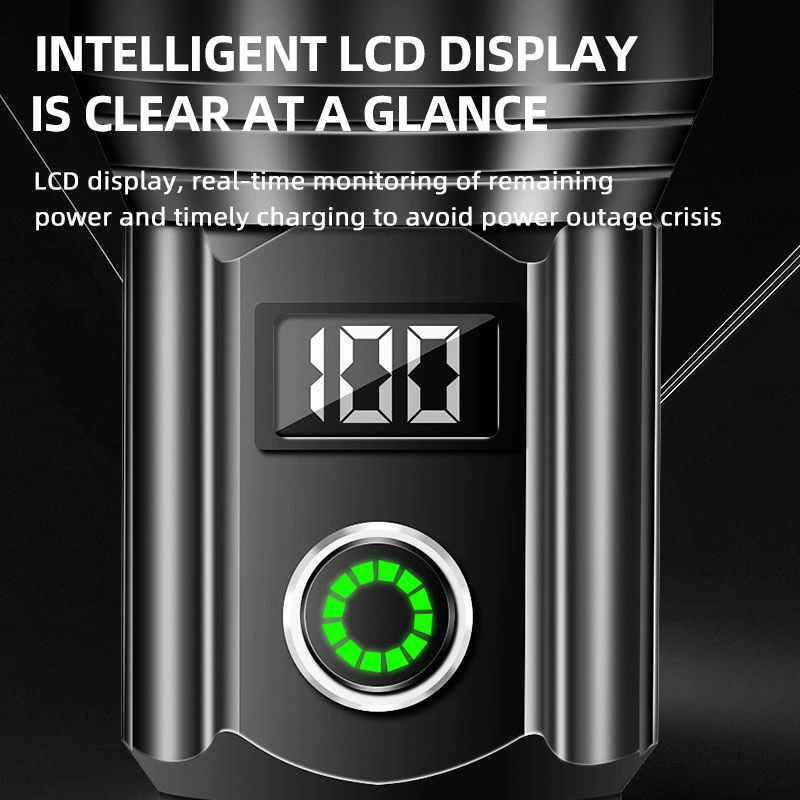
- Battery level indicator: Prevents unexpected shutdown during critical tasks
- Rugged clip: Secures to tool belt or pocket without loss
Conclusion and Next Steps
Construction and industrial flashlight markets require products that meet rigorous durability and safety standards. B2B procurement processes demand documentation, volume pricing, and reliable supply. Distributors who understand these requirements can serve this high-volume, repeat-purchase market effectively.
If you are selecting flashlights for construction and industrial markets, contact VZJlight with your industry requirements and procurement volume.