
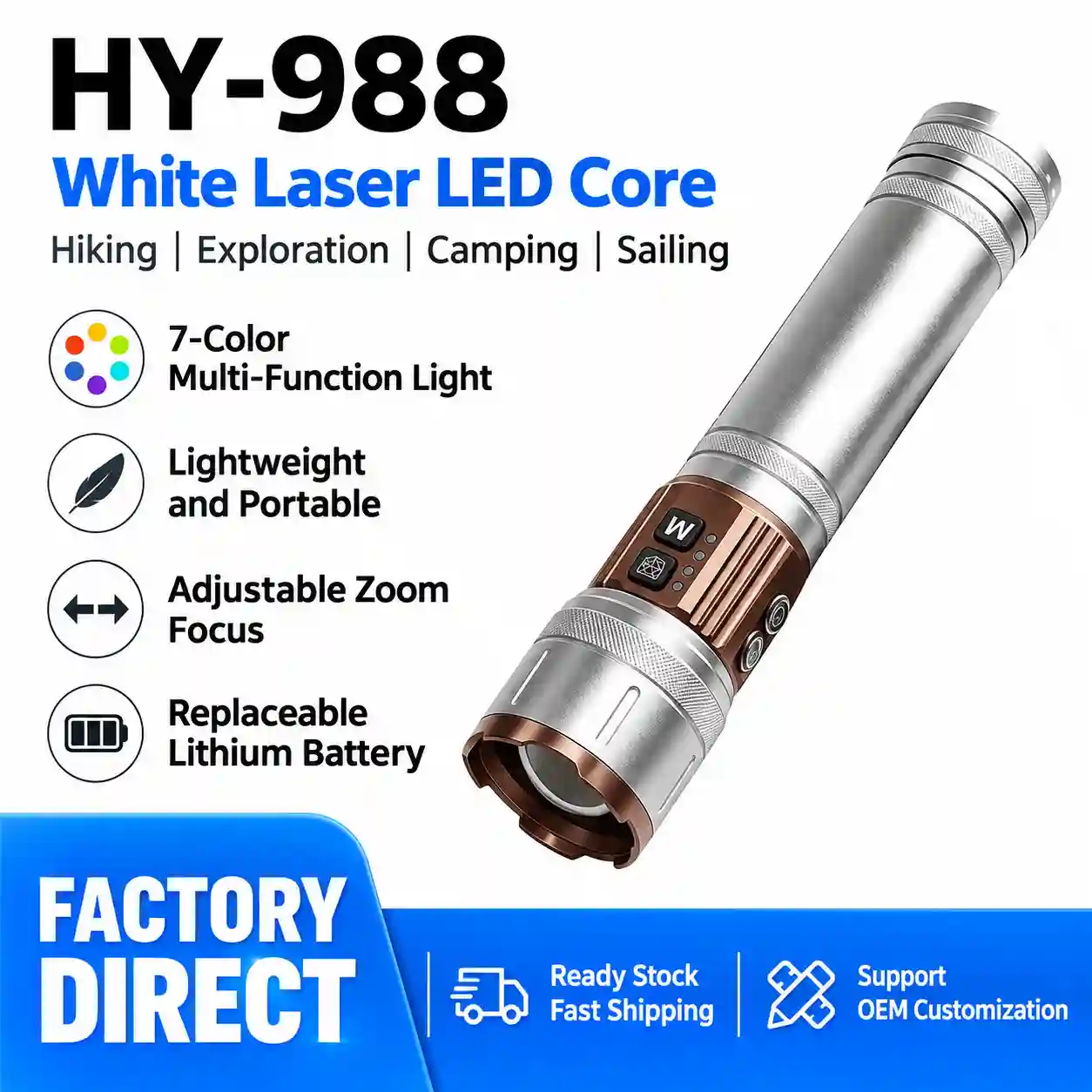
How to Read Flashlight Specifications: Lumens, Candela, Beam Distance, and Runtime Explained in 2026
For wholesale buyers interpreting flashlight specifications, understanding the relationship between lumens, candela, beam distance, and runtime enables better product selection. Compare measurement standards, real-world relevance, and marketing claims before evaluating products.
Lumens: Total Light Output
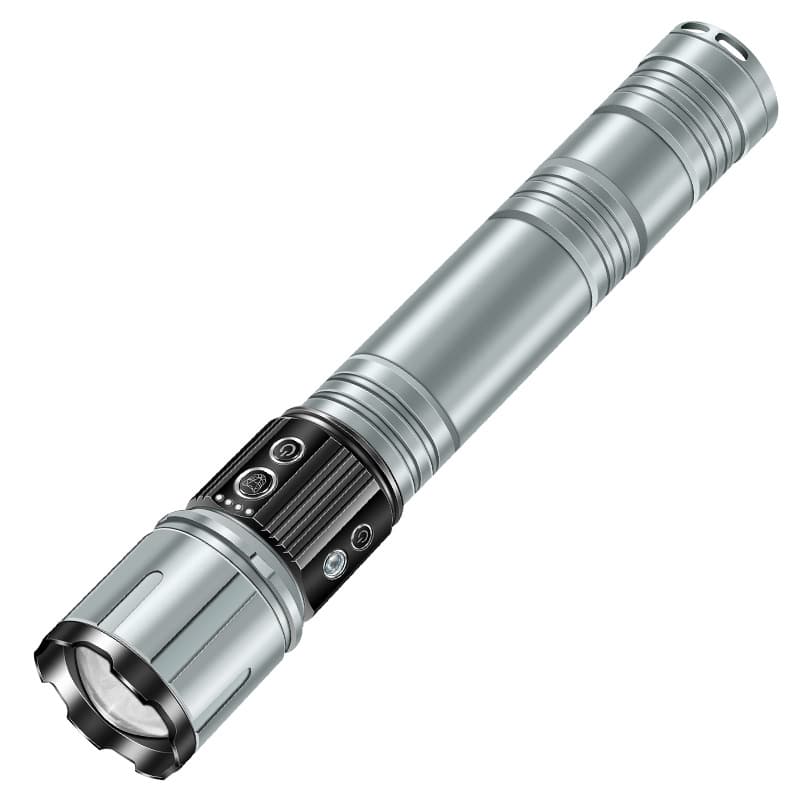
Lumens measure the total quantity of visible light emitted by a source, regardless of direction. A flashlight with higher lumens produces more total light output. However, lumens alone do not indicate how useful the light is for any specific task.
Key considerations for distributors:
- Manufacturers often specify emitter lumens (LED output) rather than out-the-front (OTF) lumens, which account for optical losses
- Turbo mode lumens may only be sustainable for short periods before thermal throttling
- Lumens do not indicate beam shape — a high-lumen flood light and a high-lumen thrower have very different applications
Candela: Beam Intensity
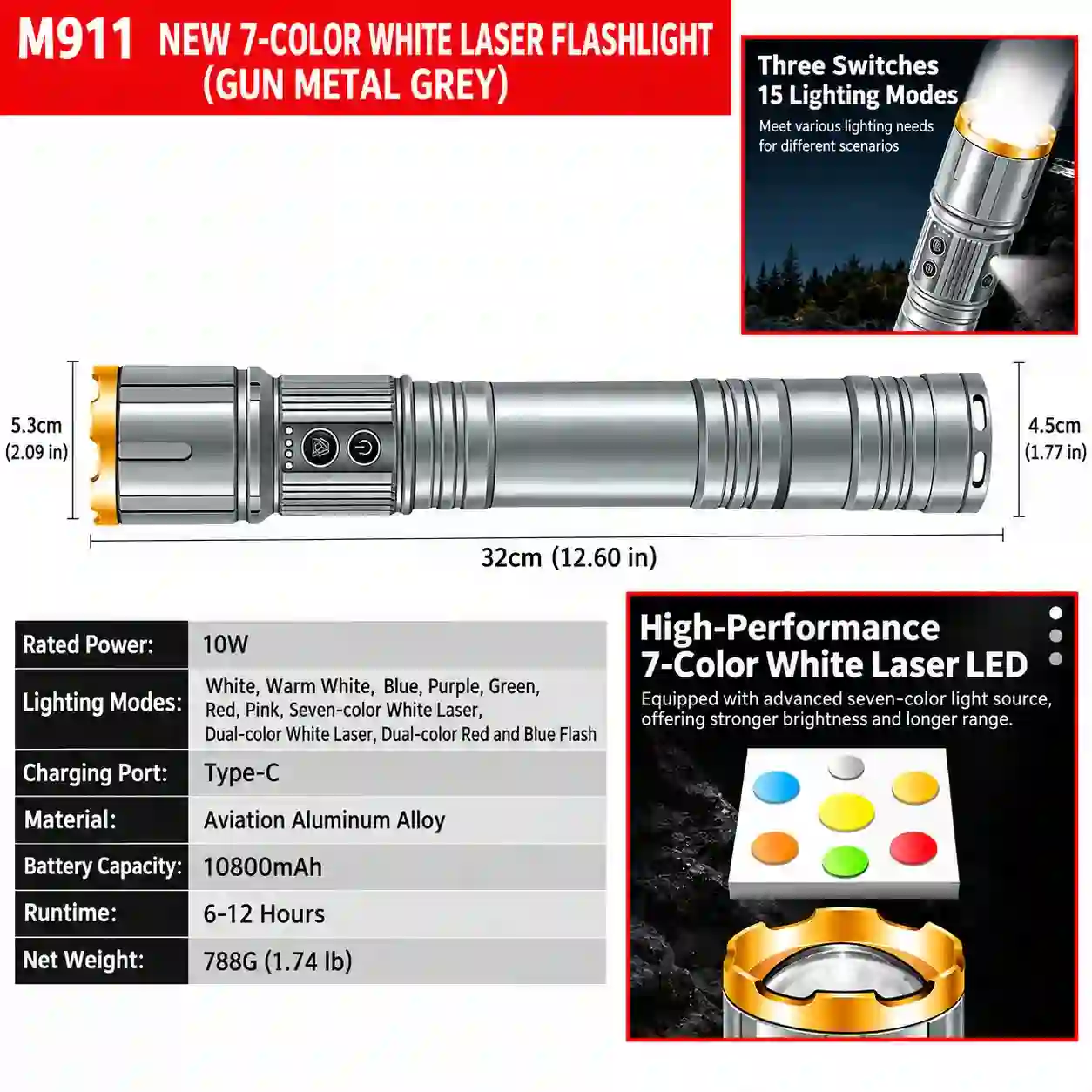
Candela measures luminous intensity in a specific direction. While lumens describe total output, candela describes how concentrated that output is. A flashlight with high candela produces a more intense beam that travels farther.
The relationship between lumens and candela reveals beam characteristics:
- High lumens + high candela = concentrated throw beam
- High lumens + low candela = broad flood beam
- Low lumens + high candela = focused beam with moderate total output
Beam Distance: How Far the Light Reaches
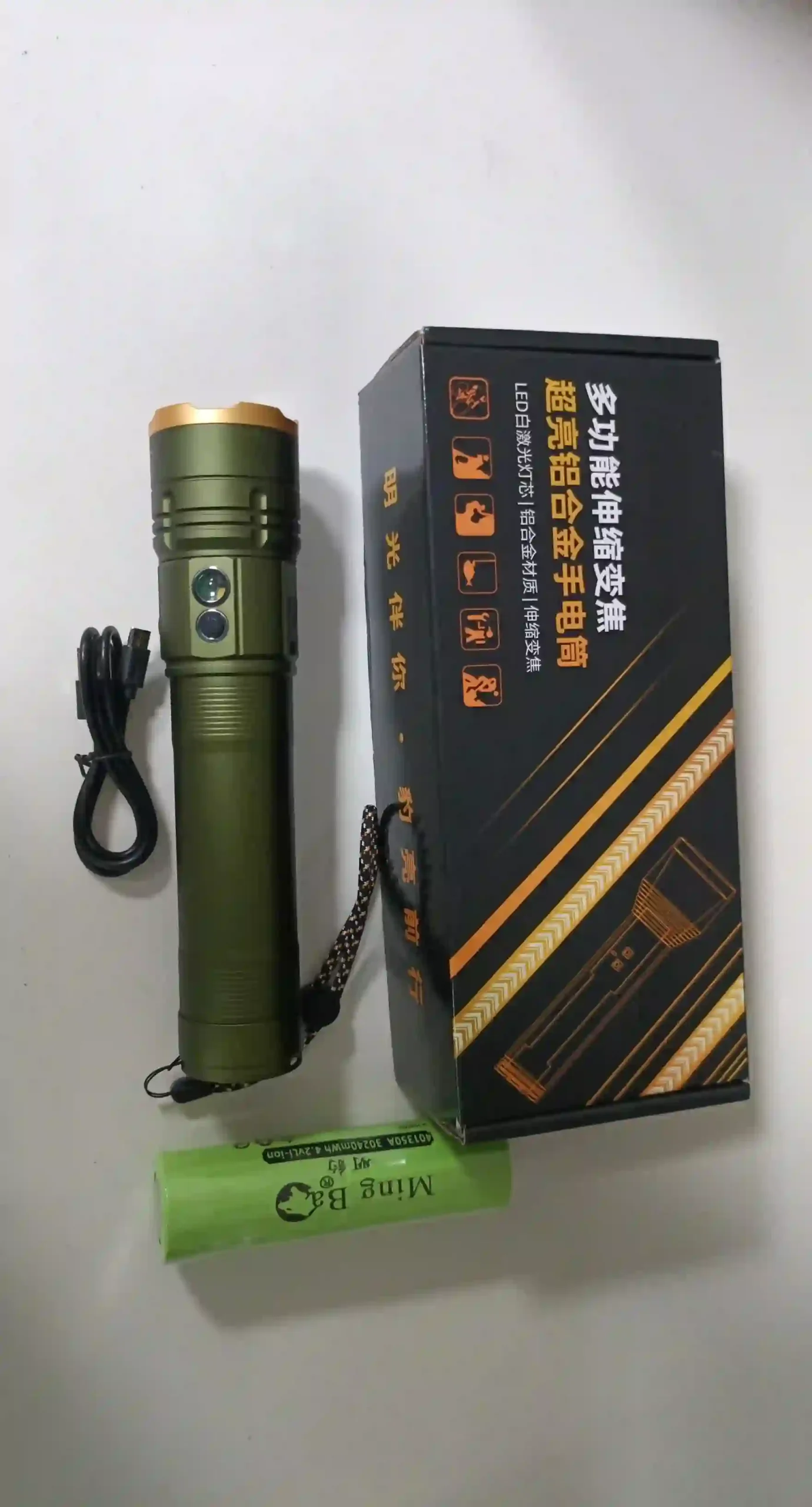
Beam distance is typically calculated from candela using the formula: distance (meters) = square root of (candela / 0.25). This represents the distance at which the illuminance drops to 0.25 lux, approximately the brightness of full moonlight.
For distributors, beam distance specifications should be evaluated with context:
- The 0.25 lux threshold is arbitrary — useful visibility may extend farther or stop sooner depending on conditions
- Beam distance varies with atmospheric conditions (humidity, dust, fog)
- ANSI FL1 standard requires specific testing conditions; non-standard claims may not be comparable
Runtime: How Long the Light Lasts
| Runtime Type | Definition | Distributor Relevance |
|---|---|---|
| Total runtime | Time from activation to 10% of initial output | Longest duration but includes dimming |
| ANSI FL1 runtime | Time until output drops to 10% on new batteries | Standardized for comparison |
| Usable runtime | Time at acceptable brightness level | Most relevant for user satisfaction |
| Turbo runtime | Duration of maximum output before step-down | Often very short; verify sustained output |
Runtime specifications should note the battery type, capacity, and mode tested. Comparing runtime across different battery configurations is misleading.
Reading Specification Sheets Critically
Manufacturers sometimes present specifications in ways that maximize perceived performance:
- Using emitter lumens instead of OTF lumens
- Quoting turbo runtime without noting thermal step-down
- Stating beam distance without reference to the 0.25 lux standard
- Combining specifications from different test conditions
Distributors should request test reports with specific measurement conditions and cross-check claims against independent testing where possible.
Specification Verification for Distributors
Before adding products to your catalog, verify key specifications:
- Request integrating-sphere test reports for lumen claims
- Request lux meter data at specified distances for candela and beam distance claims
- Test runtime independently using standard batteries under controlled conditions
- Compare specifications against competitive products in the same category
The beam throw comparison demonstrates how specification interpretation affects product evaluation.
Conclusion and Next Steps
Flashlight specifications are tools for product comparison, not absolute performance guarantees. Distributors who understand what each specification measures — and what it does not measure — can make better sourcing decisions and provide more accurate guidance to their customers.
If you need assistance interpreting flashlight specifications for product selection, contact VZJlight with your target performance requirements.