

Flashlight Import Documentation: CE, RoHS, FCC, and UN38.3 Certificates Explained in 2026
For wholesale buyers importing flashlights, understanding certification requirements prevents customs delays and compliance violations. Compare certificate types, verification methods, and documentation practices before shipment.
CE Marking for European Markets

The CE mark is mandatory for flashlights sold in the European Economic Area. It indicates that the product meets EU safety, health, and environmental protection requirements. For flashlights, applicable directives typically include:
- Low Voltage Directive (LVD): Applies to electrical equipment operating between 50–1000V AC or 75–1500V DC
- Electromagnetic Compatibility (EMC): Ensures products do not generate or are immune to electromagnetic disturbance
- RoHS: Restricts hazardous substances in electrical equipment
- WEEE: Establishes producer responsibility for end-of-life collection and recycling
CE marking is self-certified by the manufacturer based on testing and technical documentation. Distributors should request the Declaration of Conformity and technical file summary to verify compliance.
RoHS Compliance
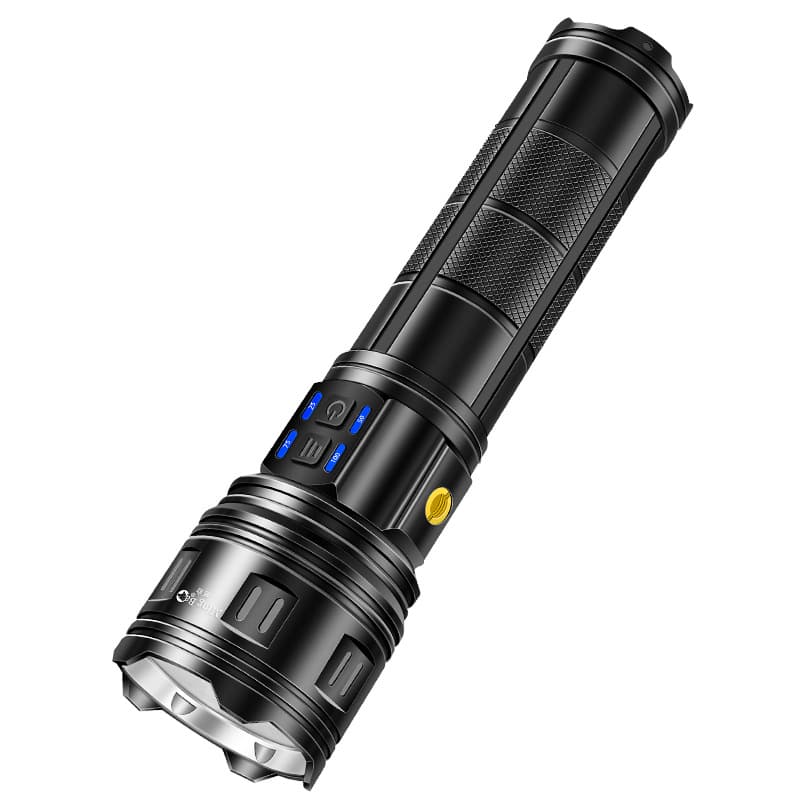
The Restriction of Hazardous Substances directive limits lead, mercury, cadmium, hexavalent chromium, PBB, and PBDE in electrical equipment. Flashlight components affected include:
- Solder and circuit board finishes
- Battery contacts and terminals
- LED packaging and phosphors
- Coatings and surface treatments
Request RoHS test reports from the manufacturer and verify that they cover all relevant components. Reports should reference the specific product model and testing standard (IEC 62321).
FCC Certification for US Markets
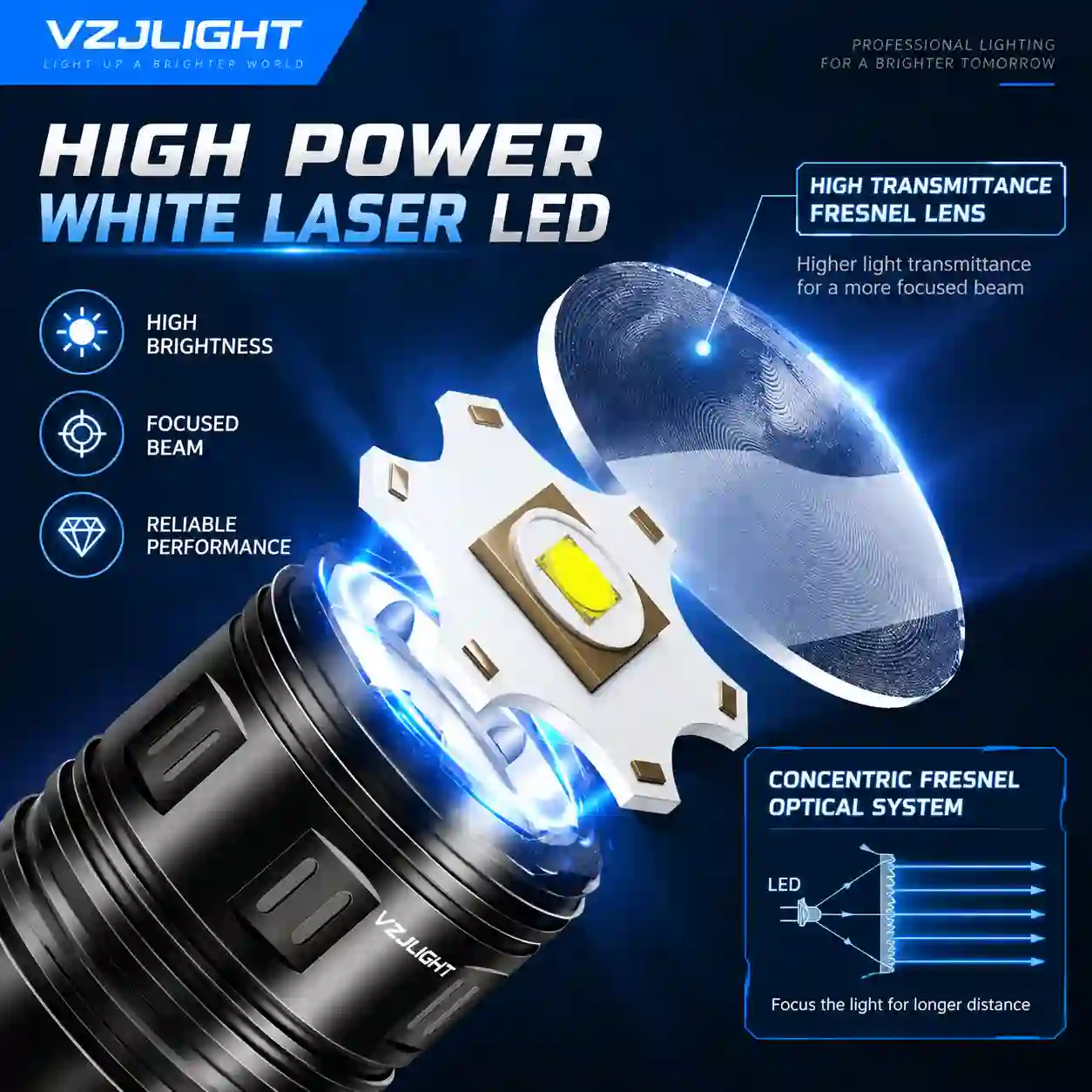
The Federal Communications Commission regulates electronic devices that emit radio frequency energy. Flashlights with the following features may require FCC certification:
- USB charging circuits that generate RF emissions
- Wireless connectivity (Bluetooth, Wi-Fi)
- Digital displays with clock circuits
Simple LED flashlights without electronic charging or communication functions typically do not require FCC certification. Verify with the manufacturer whether your specific product requires FCC documentation.
UN 38.3 for Lithium Battery Transport
UN 38.3 is a United Nations testing standard for lithium batteries and cells transported by air, sea, road, or rail. Flashlights containing lithium-ion batteries must have UN 38.3 test summaries available for shipment.
Key UN 38.3 requirements:
- Test summary must be available from the battery manufacturer or cell supplier
- Summary must include cell and battery test data, manufacturer information, and test laboratory details
- Shipping configuration determines packaging requirements (cells installed, with equipment, or standalone)
The power bank flashlight category highlights products where battery compliance is particularly critical.
Certificate Verification Checklist
| Certificate | What to Request | How to Verify |
|---|---|---|
| CE DoC | Signed Declaration of Conformity with directive references | Check signatory authority; cross-reference test reports |
| RoHS report | Test results for all restricted substances | Verify test lab accreditation; check product model match |
| FCC ID | FCC grant or SDoC as applicable | Search FCC database by grantee code or product ID |
| UN 38.3 | Test summary with complete test data | Verify test lab accreditation; check cell model match |
| IP rating | Test report from accredited laboratory | Verify test conditions match claimed rating |
Documentation Management
Maintain organized records of all certificates and test reports:
- Create a certificate file for each product SKU
- Track expiration dates for certificates with limited validity
- Verify that certificate product descriptions match your import declarations
- Request updated certificates when product designs change
Conclusion and Next Steps
Import documentation is a compliance requirement, not optional paperwork. Missing or invalid certificates can result in customs holds, fines, or product recalls. Verify all required documentation before shipment and maintain current records for each product.
If you need guidance on flashlight import documentation requirements for your target markets, contact VZJlight with your destination countries and product specifications.