The Rise of Private Label Flashlights: Why More Brands Are Choosing OEM Manufacturing in 2026
For wholesale buyers considering private label flashlight manufacturing, OEM partnerships offer brand control and margin optimization but require careful supplier selection. Compare manufacturer capabilities, minimum orders, customization options, and quality systems before committing.
Why Brands Choose Private Label Flashlight Manufacturing
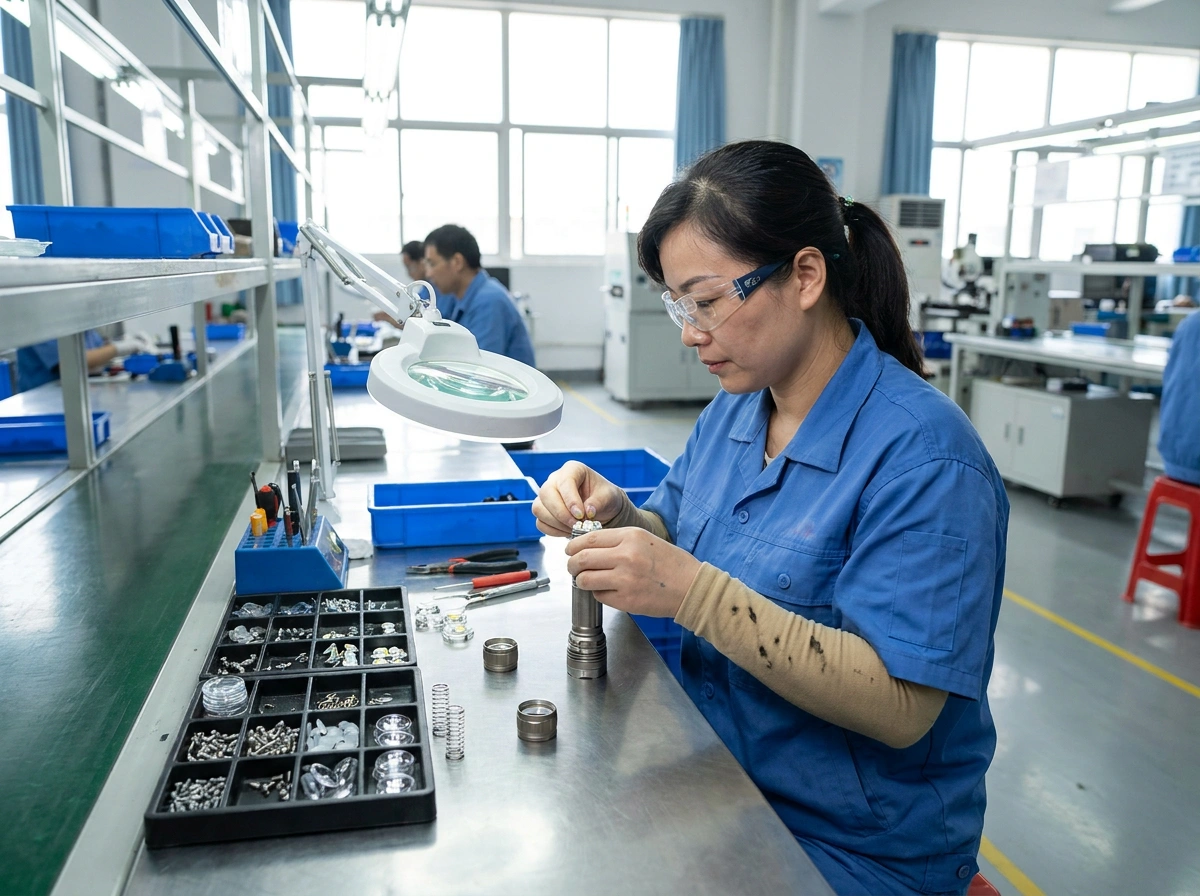
Private label manufacturing allows distributors and brands to sell flashlights under their own branding without investing in factory infrastructure. The OEM manufacturer handles production, quality control, and often logistics, while the brand focuses on marketing, distribution, and customer relationships.
The primary motivations for choosing OEM include:
- Brand control: Build brand equity and customer loyalty under your own name
- Margin optimization: Eliminate intermediary markups by sourcing directly from manufacturers
- Product differentiation: Customize features, packaging, and specifications to match market needs
- Speed to market: Leverage existing manufacturing capabilities rather than building from scratch
- Capital efficiency: Avoid factory investment and fixed overhead costs
Manufacturer Selection Criteria
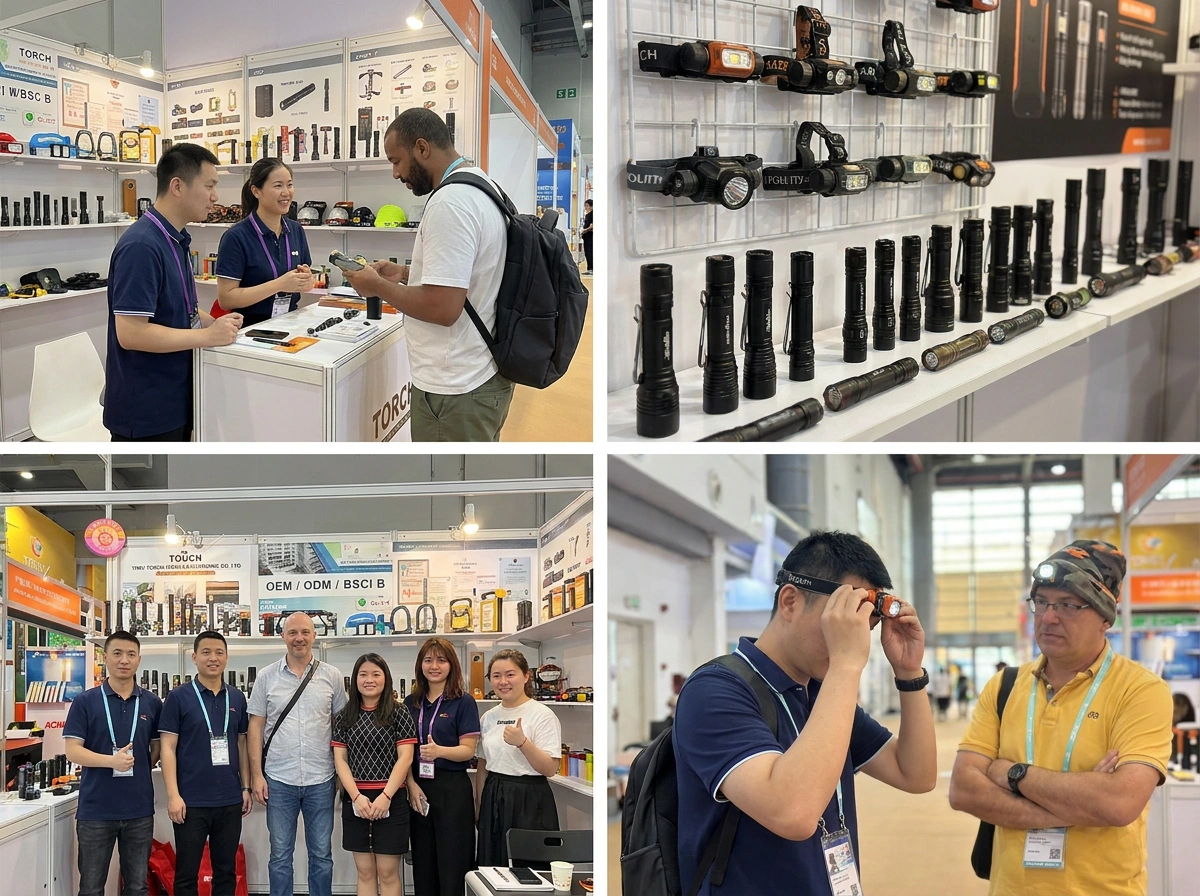
Not all OEM manufacturers offer the same capabilities or quality standards. Distributors should evaluate potential partners across multiple dimensions:
| Evaluation Area | What to Verify | How to Verify |
|---|---|---|
| Production capacity | Monthly output, line flexibility, peak capacity | Factory visit or third-party audit |
| Quality system | ISO certification, incoming inspection, process control | Certificate review, sample testing, audit |
| Customization capability | Logo methods, packaging design, feature modification | Review past custom projects, request samples |
| Certification support | CE, RoHS, FCC, UN 38.3 documentation | Request certificate copies and verify authenticity |
| Communication | English proficiency, response time, technical understanding | Evaluate during quotation and sample phases |
| References | Existing private label clients, export experience | Request client references and verify |
Customization Options and Limitations

OEM customization ranges from simple logo application to complete product redesign. Understanding the cost and complexity of each option helps distributors plan realistic product launches.
Common customization levels:
- Level 1 — Logo and packaging: Laser engraving, pad printing, or labels on standard products with custom packaging. Lowest cost and fastest turnaround.
- Level 2 — Color and finish: Custom anodizing colors, surface treatments, and minor cosmetic changes. Moderate cost increase.
- Level 3 — Feature modification: LED emitter selection, driver programming, switch type, battery configuration. Requires engineering involvement.
- Level 4 — New product development: Complete custom design from concept to production. Highest cost and longest timeline.
The private label business guide provides additional context on positioning OEM products against established retail brands.
Minimum Order Quantities and Pricing
MOQ structures vary by customization level and manufacturer. Simple logo customization may require only 100–500 units. Custom colors or finishes typically require 500–1,000 units. Feature modifications or new product development may require 1,000–5,000 units depending on tooling and engineering costs.
Distributors should request detailed quotations that break down:
- Unit price at different volume tiers
- Non-recurring engineering (NRE) costs for custom features
- Tooling and setup costs for logo application or packaging
- Sample costs and whether they are credited against production orders
- Payment terms and schedule
Intellectual Property Considerations
Private label arrangements should include clear agreements about intellectual property ownership. Distributors commissioning custom designs should ensure they retain ownership of design files, tooling, and proprietary features. Standard products with logo application typically remain the manufacturer’s intellectual property.
Request written agreements that specify:
- Who owns custom designs, tooling, and molds
- Whether the manufacturer can sell the same design to other clients
- Confidentiality obligations for product specifications and business information
- Termination rights and transition procedures
Quality Assurance for Private Label Products
Private label distributors bear ultimate responsibility for product quality and safety. Implement quality assurance procedures that include:
- Pre-production sample approval with documented specifications
- Incoming inspection of first production batches
- Periodic quality audits of ongoing production
- End-user feedback collection and analysis
- Warranty claim tracking and root cause analysis
Conclusion and Next Steps
Private label flashlight manufacturing offers significant opportunities for brand building and margin improvement. Success depends on selecting the right manufacturing partner, defining clear customization requirements, and maintaining rigorous quality standards.
Start with simple customization projects to evaluate manufacturer performance before committing to complex custom designs. Build relationships gradually and document all agreements in writing.
If you are considering private label flashlight manufacturing, contact VZJlight with your branding requirements and volume projections to discuss OEM partnership options.