
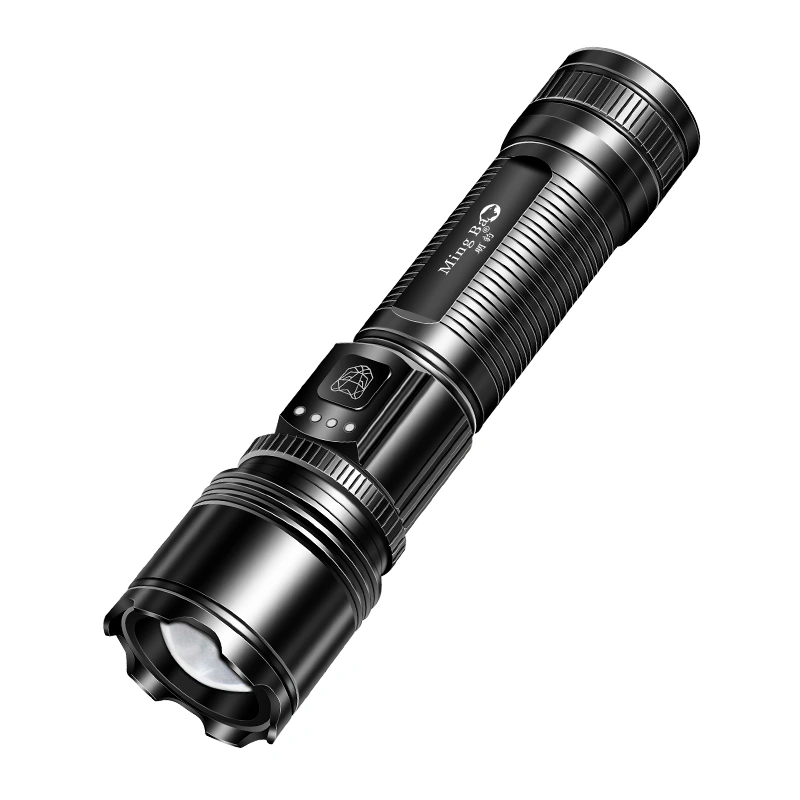
Aluminum Alloy Flashlight vs Plastic Flashlight: Why Material Choice Affects Your Margins in 2026
For wholesale buyers comparing aluminum alloy and plastic flashlight materials, margin impact depends on target market expectations, manufacturing cost, and perceived value. Compare durability, weight, thermal performance, and end-user willingness to pay before selecting a material platform.
Material Properties and Manufacturing
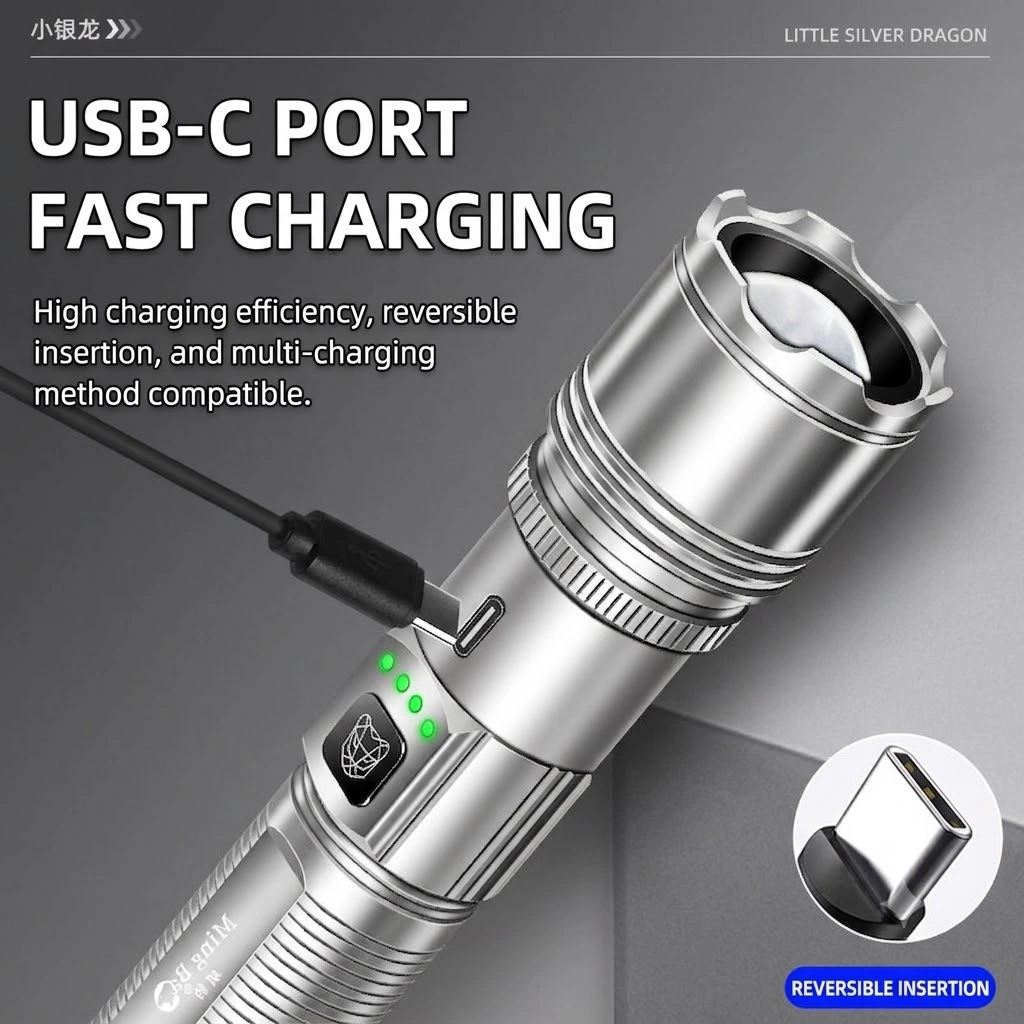
Aluminum alloy, typically 6061-T6 or similar grades, offers high strength-to-weight ratio, excellent thermal conductivity, and a premium aesthetic when anodized. Plastic bodies, usually engineering polymers like ABS, nylon, or polycarbonate, offer lower material cost, design flexibility, and insulation properties.
The manufacturing processes differ significantly. Aluminum requires CNC machining, extrusion, or die casting followed by surface treatment. Plastic uses injection molding with lower per-unit material cost but requires mold tooling investment. For distributors, the key consideration is how material choice affects the manufacturer’s cost structure and the end user’s willingness to pay.
Durability Perception and Market Positioning

Aluminum carries a durability and quality perception that plastic struggles to match in most flashlight segments. Buyers associate metal construction with professional-grade products and are often willing to pay a premium. Plastic is perceived as consumer-grade or budget-oriented, which can limit pricing power even when the actual performance is comparable.
However, modern engineering plastics can exceed aluminum in specific durability metrics. Impact-resistant polymers may outperform anodized aluminum in drop tests, and plastic does not dent or scratch in the same way. The challenge for distributors is communicating these benefits to buyers who have already formed material preferences.
Thermal Performance Considerations

LED flashlights generate significant heat at high output modes. Aluminum’s superior thermal conductivity allows it to act as a heat sink, drawing heat away from the LED and driver. Plastic has lower thermal conductivity and may require additional thermal management design — internal metal heat sinks, venting, or output throttling — to prevent overheating.
For distributors, thermal performance affects both product reliability and user experience. Flashlights that overheat quickly receive poor reviews and generate warranty claims. When evaluating plastic-bodied products, ask the manufacturer how they manage thermal output at maximum brightness and whether runtime specifications account for thermal throttling.
Weight and Portability Trade-offs
| Factor | Aluminum | Plastic | Distributor Impact |
|---|---|---|---|
| Material density | ~2.7 g/cm³ | ~1.0–1.4 g/cm³ | Plastic bodies are noticeably lighter |
| Thermal conductivity | High (~150 W/m·K) | Low (~0.2 W/m·K) | Aluminum better for high-output models |
| Impact resistance | Good; may dent | Excellent; may flex | Plastic survives drops better in some tests |
| Surface finish durability | Anodizing can wear | Molded color persists | Plastic maintains appearance longer |
| Perceived value | Premium | Budget | Aluminum supports higher retail pricing |
| Manufacturing cost | Higher | Lower | Plastic enables lower entry price points |
Target Market Alignment
Professional and tactical markets strongly prefer aluminum construction. The aluminum alloy flashlight manufacturer category demonstrates how material choice signals quality to B2B buyers. Consumer and gift markets are more accepting of plastic, particularly when the price point is low and the design is attractive.
Outdoor and camping markets show mixed preferences. Some users prioritize light weight and accept plastic; others demand the durability of metal in harsh conditions. Understanding your specific customer base is more important than following general market trends.
Margin Optimization Strategies
Material choice directly affects both cost and pricing power. Aluminum increases unit cost but supports higher retail prices and better margins in premium segments. Plastic reduces unit cost but may require higher volume to achieve equivalent total margin.
Consider a dual-material strategy:
- Premium line: Aluminum construction with hard anodizing for professional and enthusiast markets
- Value line: Quality polymer construction for price-sensitive consumer markets
- Hybrid designs: Aluminum head for thermal management with polymer body for weight reduction
Quality Control by Material
Aluminum products require inspection for anodizing uniformity, thread quality, and machining tolerances. Plastic products require inspection for mold flash, sink marks, color consistency, and structural integrity at thin-wall sections. Each material has specific failure modes that distributors should understand before accepting shipments.
Request the manufacturer’s quality control checklist for each material type and verify that incoming inspection procedures address the relevant failure modes.
Conclusion and Next Steps
Material choice is a strategic decision that affects cost, positioning, and margin. Aluminum supports premium positioning and better thermal performance. Plastic offers lower cost and lighter weight. The optimal choice depends on your target market’s priorities and your pricing strategy.
Request samples in both materials from your shortlisted manufacturers, evaluate them against your quality standards, and test market acceptance before committing to bulk orders.
If you are evaluating aluminum alloy versus plastic flashlight options for your product line, contact VZJlight with your target market and volume projections.