
Why We Show You Our Imperfect Samples
Summary: Perfect factory samples are often hand-picked exceptions, not production reality. Showing imperfect samples builds genuine trust because buyers see what they will actually receive. This transparency prevents disputes and creates stronger supplier relationships.
Introduction
Most flashlight suppliers send their best possible sample for approval. It is carefully selected, possibly hand-finished, and represents the absolute top of their capability range. When your production order arrives, the average unit looks slightly worse. Buyers feel deceived, and the relationship starts with disappointment.
We take a different approach. We show factory samples that include imperfections because that is what production actually looks like. This article explains why transparency about sample quality benefits both buyers and suppliers.
The Perfect Sample Trap
When a supplier sends a flawless sample, they create an expectation that production cannot meet. The sample may have been:
- Hand-picked from the top 1% of output
- Finished by the most skilled worker in the factory
- Given extra attention and time that production units do not receive
- Made with premium materials not used in standard production
The buyer approves based on this exceptional example. Then production ships, and the average unit does not match. Trust breaks down immediately.
What Imperfect Samples Reveal
An imperfect factory sample shows the buyer exactly what to expect. Small scratches, slight color variation, and minor assembly marks are normal in mass production. When buyers see these imperfections upfront, they can:
- Set accurate quality expectations for their customers
- Specify which imperfections are acceptable and which are not
- Negotiate pricing based on realistic quality levels
- Avoid costly disputes after shipment
Our Sample Policy
When we send samples, we include a range:
- Best example: The top quality we can consistently produce
- Average example: What most units in your order will look like
- Limit example: The worst unit that still passes our QC
This three-sample approach eliminates surprises. Buyers know exactly what they are getting before they place an order.
Common Sample Imperfections to Expect
| Imperfection | Cause | Typical Acceptability |
|---|---|---|
| Minor anodizing scratches | Handling during production | Acceptable if not visible at arm’s length |
| Slight color variation | Anodizing batch differences | Acceptable within specified Delta E range |
| Tiny machining marks | CNC tooling wear | Acceptable if not on visible surfaces |
| Logo position variation | Printing fixture tolerance | Acceptable within ±0.5mm |
How to Evaluate Sample Quality
When you receive samples, evaluate them against these criteria:
- Does the sample match the specification sheet?
- Are the imperfections cosmetic or functional?
- Would your customers notice the imperfections?
- Does the supplier acknowledge and explain the imperfections?
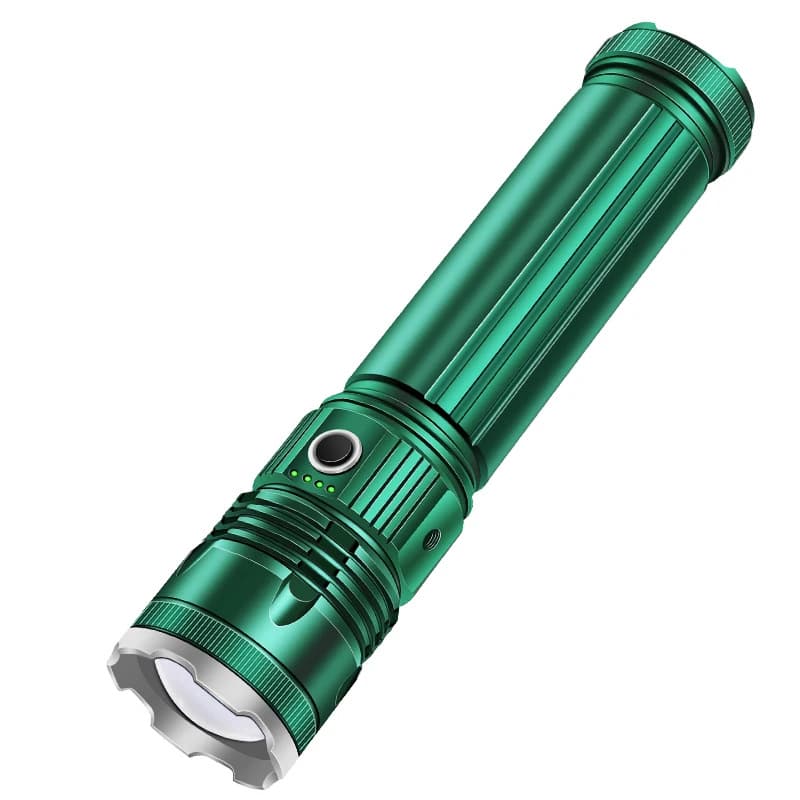
Setting Quality Standards with Imperfect Samples
Imperfect samples become the foundation for your quality agreement. Take photos of the acceptable imperfections and include them in your purchase order. This creates an objective standard that both parties can reference during inspection.
Conclusion
Showing imperfect factory samples requires confidence in your process. It means you are not afraid of scrutiny and you value long-term relationships over short-term sales. Buyers who understand this appreciate the honesty and become loyal customers.
Want to see our real production samples? We will send you three samples representing our quality range—no charge, no obligation.